The Freedom We Inherited – and the Responsibility We Share
AMERICA 250:
OPINION COMMENTARY:
As America marks its 250th anniversary, Hon. Vivian Lowery Derryck reflects on a lifetime of public service, civil rights, racial reconciliation, civic engagement, and the shared responsibility of every citizen to strengthen American democracy.
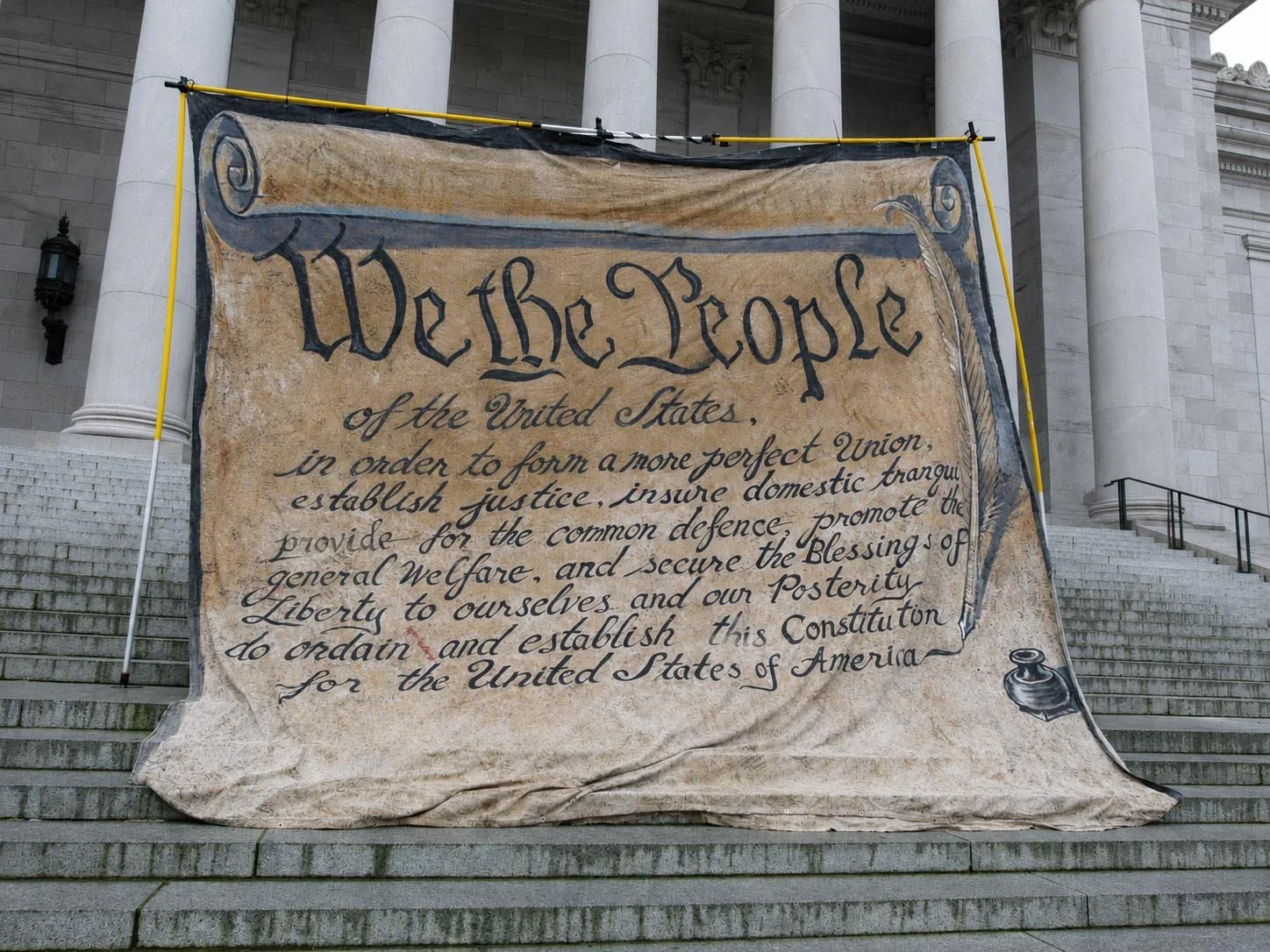
We the People Too: Reclaiming a Promise for America’s Next 250 Years
AMERICA 250:
OPINION COMMENTARY:
Demar Goodman, rising senior at American University and student leader, delivers a powerful reflection on “We the People” and its unfinished promise. Drawing on history, identity, and lived experience, Demar challenges us to turn words into action for the next 250 years and beyond.
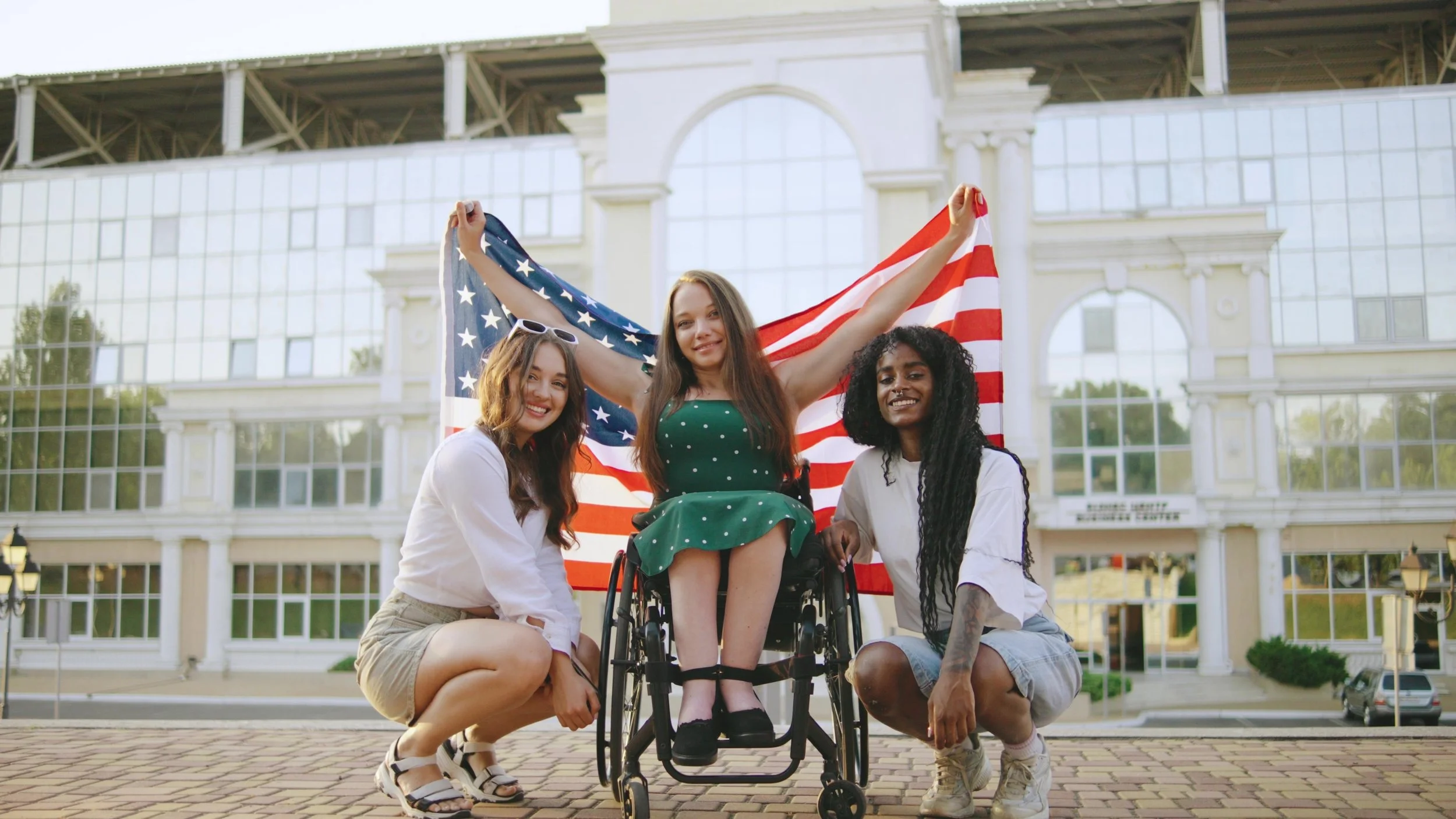
We the People Reimagined: Disability Justice and the Power of Collective Voice Today
AMERICA 250:
OPINION COMMENTARY:
Anja Herrman, disabled writer, researcher, and disability rights advocate, shares a powerful reflection on activism, community, and civic change. Drawing from her experience as a student leader and advocate, she redefines “We the People” as a call to listen, collaborate, and build a more inclusive democracy together.

The American Dream, Higher Education, and the Work of Economic Mobility
AMERICA 250:
OPINION COMMENTARY:
Elson Nash, an education and social impact leader, Senior Fellow at Blue Meridian Partners, and By All Means Senior Fellow at The EdRedesign Lab at Harvard, reflects on how hidden barriers in higher education shape who has a real shot at opportunity and what it will take to ensure the American Dream delivers across generations through access, support, and system-level change.
The American Dream Is the Freedom to Leave — and the Responsibility to Return
AMERICA 250:
OPINION COMMENTARY:
Rey Saldaña, President and CEO of Communities In Schools and By All Means Senior Fellow at The EdRedesign Lab at Harvard, reflects on how his immigrant father’s sacrifices shaped his understanding of the American Dream — and why true opportunity depends not just on individual grit, but on the systems and supports that help young people succeed and stay connected to their communities.

The American Dream Shouldn’t Depend on Your Zip Code
AMERICA 250:
OPINION COMMENTARY:
Christian Rhodes, Chief National Impact Officer at Harlem Children’s Zone and By All Means Senior Fellow at The EdRedesign Lab at Harvard, reflects on a hard truth: in America, a child’s future is still too often determined by their zip code. Drawing from personal experience and national leadership, he calls for bold, place-based solutions that align systems and expand opportunity for every child.
Who Gets to Dream? What My Parents, a Library, and Two Sons Taught Me About Opportunity in America
AMERICA 250:
OPINION COMMENTARY:
In this powerful reflection, Dreama Gentry, Founder & CEO of Partners for Rural Impact and By All Means Senior Fellow at The EdRedesign Lab at Harvard Graduate School of Education, explores how place shapes possibility — and why expanding opportunity for rural youth is essential to the American Dream. A moving call to ensure every child can dream beyond the limits of geography.

The American Dream Begins with Flourishing Children
AMERICA 250:
OPINION COMMENTARY:
Sondra Samuels, President & CEO of Northside Achievement Zone and By All Means Senior Fellow at The EdRedesign Lab at Harvard, knows firsthand what it means to be underestimated. Drawing from her own story and decades of community leadership, she argues that closing the education gap isn't just a moral imperative — it's the essential work of sustaining American democracy.
The Cost of Indifference: America’s Overdose Crisis in Black Communities
OPINION COMMENTARY:
In this powerful opinion commentary, Saeeda Dunston, CEO of Elmcor Youth & Adult Activities, challenges the narrative around declining overdose rates — highlighting the persistent and overlooked crisis in Black communities, and calling for equity-driven, care-centered solutions.
Music, Protest, and the Power of Collective Voice
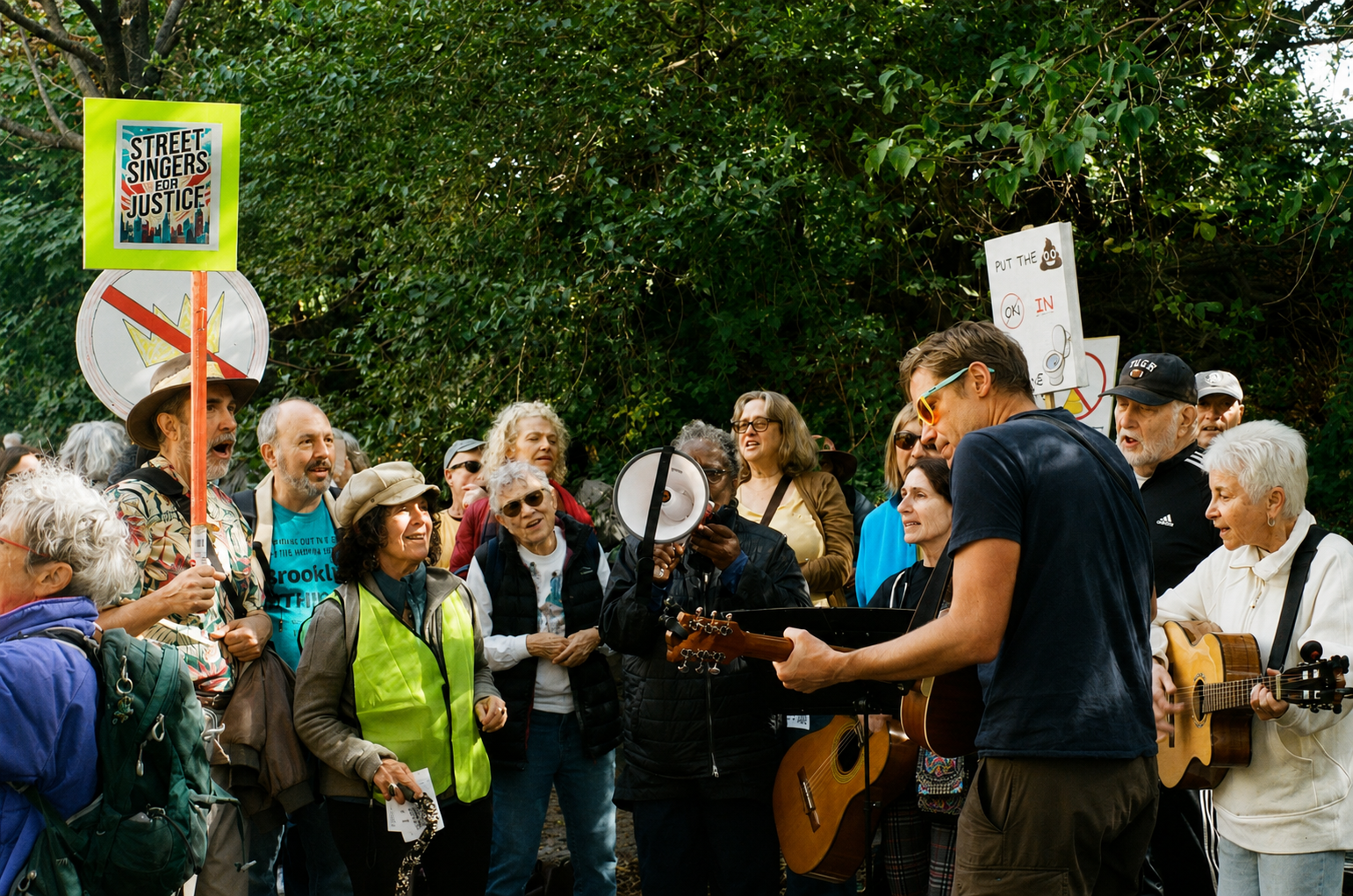
What gives music the power to move people from witness to action? Sociologist Ronald Eyerman reflects on protest songs, political memory, collective identity, and the enduring role of artists from Joe Hill to Bruce Springsteen in conversation with John Carroll (ALI ‘21).

Power Is Shared: Organizing Community, Protecting Democracy, Reclaiming Our Humanity
What does it take to build power in communities long excluded from it? LaTosha Brown, co-founder of Black Voters Matter Fund, reflects on grassroots organizing, voting rights, belonging, and why lasting democratic change begins with activating people’s sense of agency in conversation with Carmel Shields (ALI ‘23).
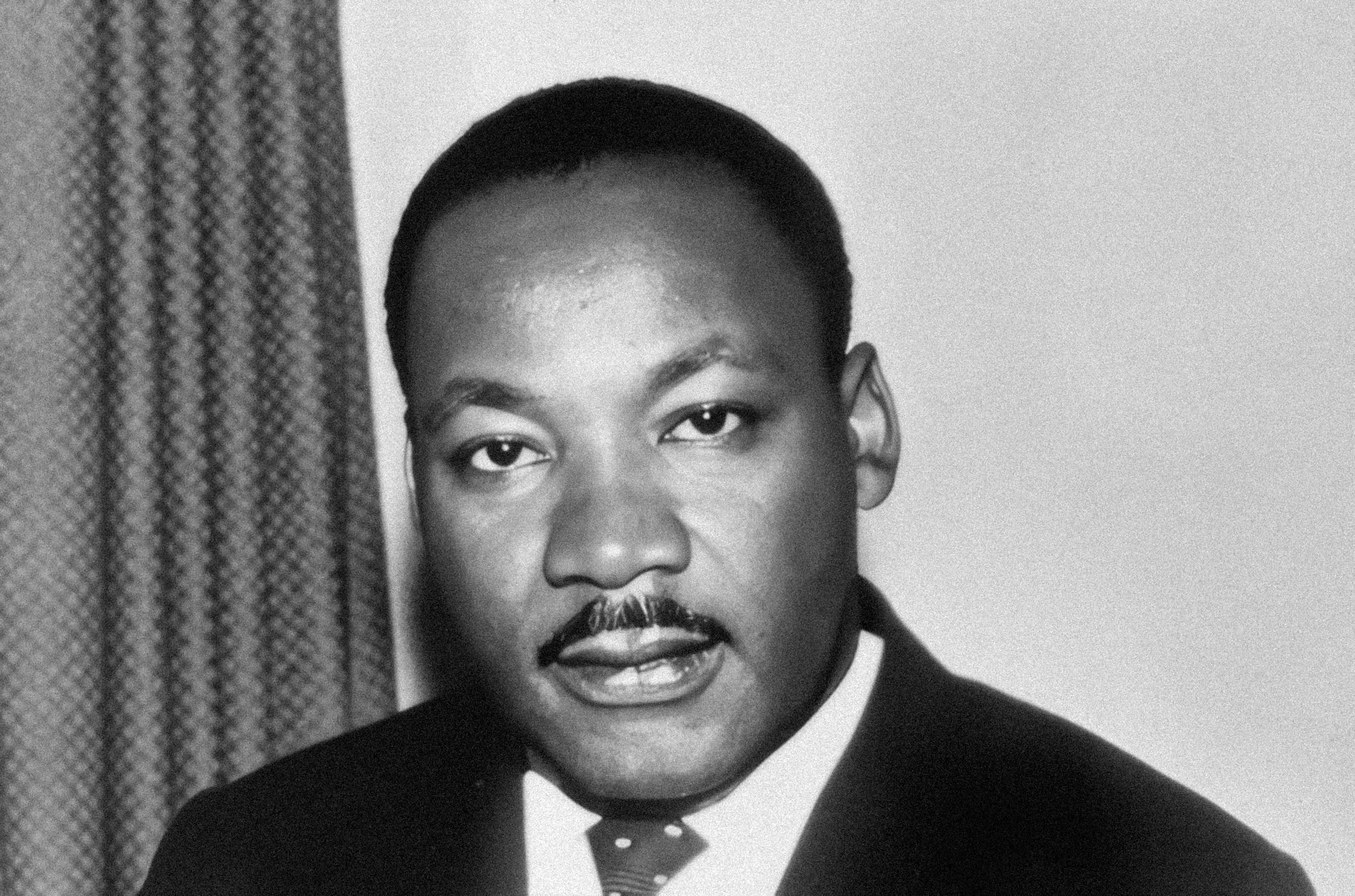
Revisiting Dr. King’s “Letter from Birmingham Jail”: A Moral Reckoning for 2026
OPINION COMMENTARY:
Drawing on decades of social justice leadership, Peter Williams (ALI ‘21) examines the enduring relevance of Dr. Martin Luther King Jr.’s “Letter from a Birmingham Jail” in 2026. From voting rights restrictions to widening inequity, he argues that American democracy faces a defining moral crossroads demanding urgent action.

Aging is Living: Redefining Longevity, Equity, and Purpose
Dr. Myechia Minter-Jordan, CEO of AARP, shares insights on aging, equity, and purpose amid a historic demographic shift. In conversation with ALI Fellows Terry Edmonds ’21 and Mary Jo Meisner ’17, she explores the longevity economy, ageism, Social Security, and the role of policy, business, and communities in ensuring dignity and opportunity at every stage of life.
Rebuilding the American Dream: Leadership, DEI, and the Power of Community Connection
Former Massachusetts Governor Deval Patrick reflects on leadership, equity, and rebuilding trust in America. In this powerful conversation with ALI Fellows Kevin Robinson ‘22 and Mary Jo Meisner ‘17, he shares lessons on race, gender equity, DEI, and civic renewal — reminding us that the American Dream thrives when communities act together.

The People’s Davos: How the Global Black Economic Forum is Shaping a New Vision for the Future of Democracy
OPINION COMMENTARY:
As corporate America faces pushback on diversity efforts, the Global Black Economic Forum (GBEF) leads the charge for change. President and CEO Alfonso David outlines how reshaping economic opportunities and strengthening democracy for marginalized communities fosters inclusive growth and safeguards democratic values in the face of global challenges.

Policy, Sovereignty, and Story in Native American Drama
Native American drama breathes life into the stories behind policy, illuminating realities of tribal sovereignty and the impact of federal laws on Indigenous lives. Antíkoni exemplifies how theatre can make these issues visible, encouraging audiences to understand, empathize, and carry these insights into conversations about justice and cultural respect.

Training Healthcare Professionals: Addressing Health Disparities from the Battlefield to the City Streets and Countryside
Addressing the challenges of medical care from medical school to the battlefield to city streets to overcome disparities in health, Dr. Jonathan Woodson discusses his journey at the intersection of education, government, and the practice of medicine to train healthcare professionals and leaders to provide effective medical care.

Unlocking the Health and Economic Returns of Closing the Women's Health Gap
Women often do not receive gender-specific health care, leading to disparities in treatment and outcomes. Megan Greenfield and Lucy Perez from McKinsey & Co. explore the reasons behind the global women's health gap and propose actionable steps to bridge this divide by 2040.

After Race-Conscious Admissions: How to Provide Strategic and Aggressive College Application Advice to Academically Ambitious Black Students
The Supreme Court’s ruling in Students for Fair Admissions prohibited the consideration of race in college admission decisions. Kamal A. James and Dr. Irvin L. Scott provide guidance for fellow educators working to support academically ambitious Black students as they prepare for the college application process.

Women’s Voices Matter
The absence of women’s speech from anthologies and history books is not just a case of missing content. What’s also lost are examples of women as authority figures, self-determined leaders, and informed, confident participants in public life and affairs.