We the People Reimagined: Disability Justice and the Power of Collective Voice Today
Writing from different lived experiences, two American University students, insist that "We the People" only becomes real when our country is willing to listen to the people it has left out.
I used to carry around the United States Constitution in my pocket. Not literally, of course, you’d need some pretty deep pockets for all those articles. But when I found a pocket-sized version of the Constitution hidden between the pages of a forgotten children’s book, I was gripped not just by the Framers’ rebellious push towards revolution, but their commitment to using that rebellion as a tool to build something better.
Growing up in a world that isn’t built for my body has made me a reluctant rebel — one who never had the luxury of being without a cause. And, while I may not be dumping boxes of tea into the Boston Harbor, I focus on fighting the everyday inaccessibility that boxes me into my world. Even so, I dreamed of the opportunity to use rebellion as a tool to create the positive change that I needed. But it wasn’t until I had my first taste of true civic rebellion, that I realized what “We the People" really is: a call to create community.
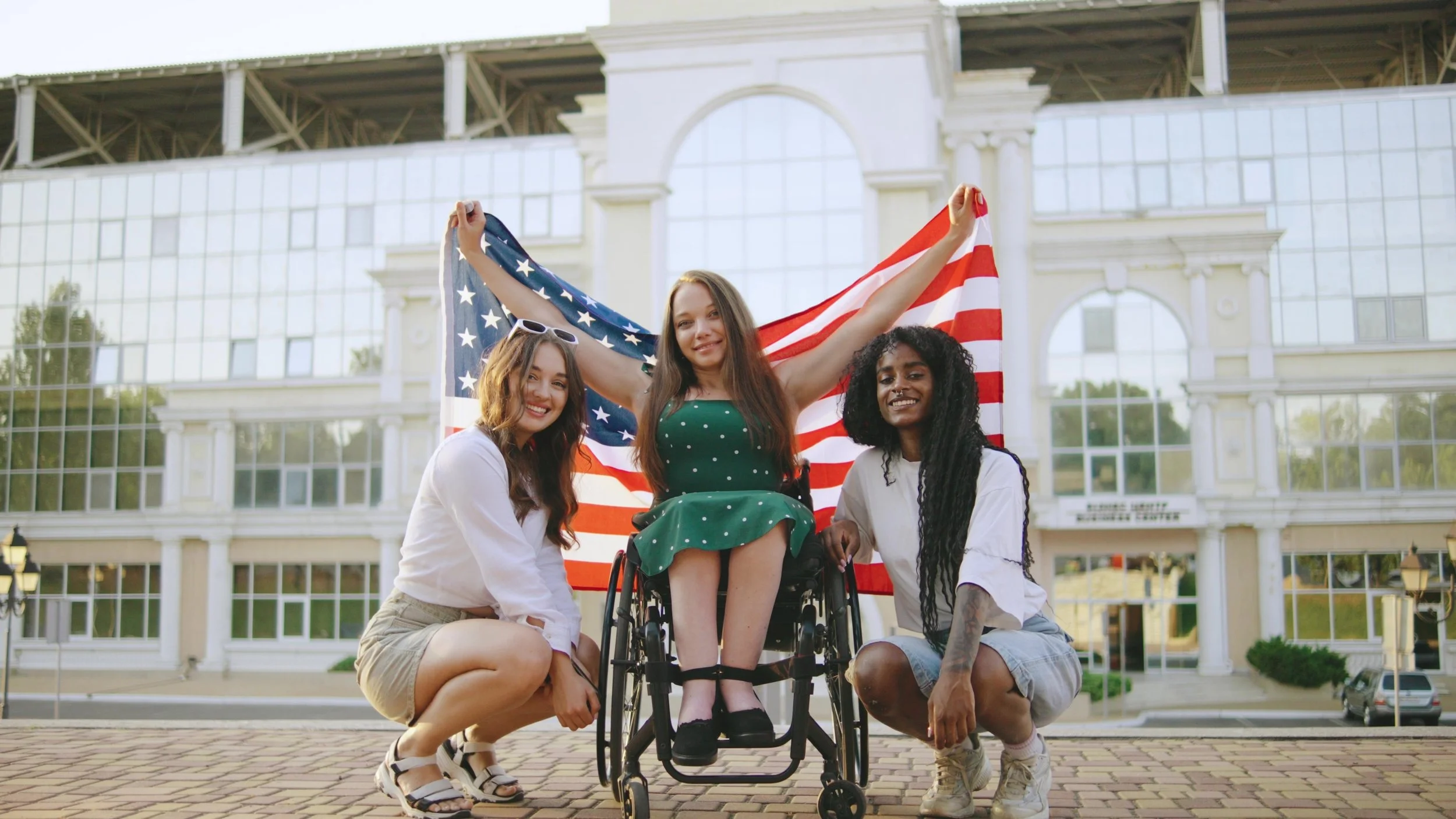
When I joined a local disability rights advocacy group, I never expected to be lobbying in DC for the passage of a civil rights bill just a few months later. As my new friends and I gazed at the Capitol’s impressive and intimidating dome, we were chiefly aware that the Framers didn’t consider any of us, as people with bodies and brains so brilliantly far from “normal” in their “We the People” when drafting the Constitution. But what did that matter? Now that we were going to be inside one of the government buildings, wasn’t change just around the corner?
As I watched my fellow activists fight with each other over who had the authority to convey our message, and bicker about making the “wrong impression,” I saw us move further from change. While our passion for disability rights bound us together, we each came to the community with different experiences, and as such, different perspectives on how disability rights should be protected. But, instead of talking to each other, we were talking at each other, when we should have been listening. This paradox is nothing new. In fact, the Framers, a ragtag group of thinkers not unlike us activists, dealt with similar debates at the explosive Constitutional Convention of 1787 (though they were likely wearing some sort of suit instead of our protest tees). And how did they handle their debates over how much power the federal government should have, or who’s the right leader? By recognizing that they all had the same goal — creating a more perfect union — even if they had different ways to get there. When creating community, it’s not about finding the absolute “right” thing, but rather listening to everyone and creating what’s right together.
I can still remember the moment when the bickering stopped, and we all collectively looked at each other, as if to say, why are we fighting again? Soon, we all assembled in a circle, and were discussing our ideas together. Were our ideas still different? Of course, but we were talking through these differences, and leading together. Now, instead of choosing one revolutionary to imperfectly represent all of us, we were shaping our collective message. When a Hill staffer finally came into the meeting room and asked, “what do you all have to say,” I wasn’t worried, because I knew we were finally speaking together.
Now, it’s critical that we heed the Framers’ call to build community on our own campus. How? By seeing disagreement as an opportunity to understand perspectives that are different from yours, and use that understanding as a starting point for discussion. Maybe this looks like joining a different club than you normally would or staying behind to discuss the nuances to someone’s point in class than you hadn’t considered.
These moments may seem small, but they are how you build, and build upon the community that’s all around you. “We the People” was never meant to be finished. We all have to build it, together, and you never know who has a Constitution in their pocket.
About the Author:
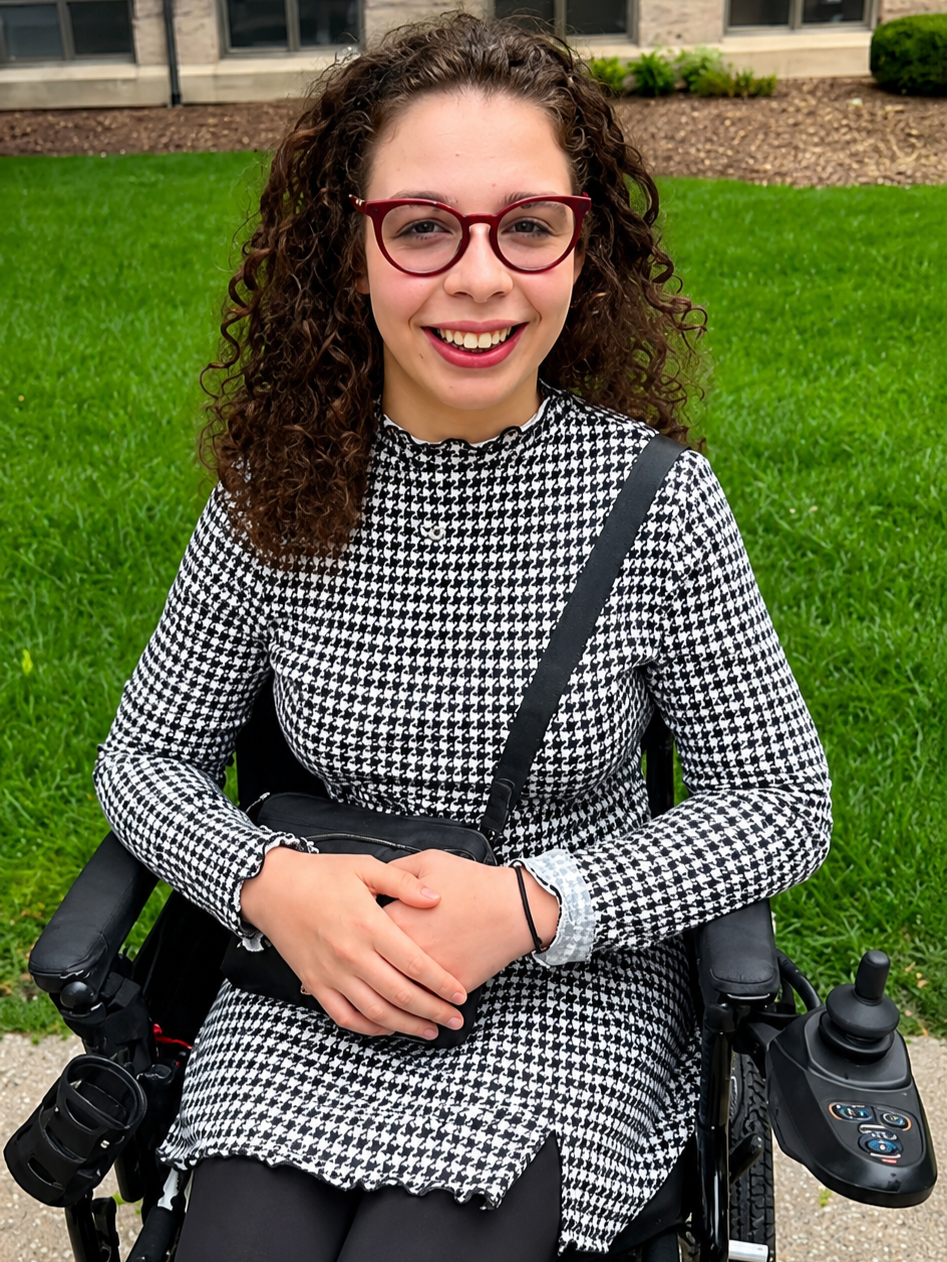
Anja K. Herrman is a disabled writer, researcher, and disability rights advocate. Her writing has been published in Teen Vogue, HuffPost and others. She’s also the lead author of a national study on the erasure of disabled students from K-12 school shooting responses. Herrman is a rising 3rd year student at American University, studying public policy. Outside of her advocacy and studies, she loves to read and play with her excitable puppy, Donut.