Revisiting Dr. King’s “Letter from Birmingham Jail”: A Moral Reckoning for 2026
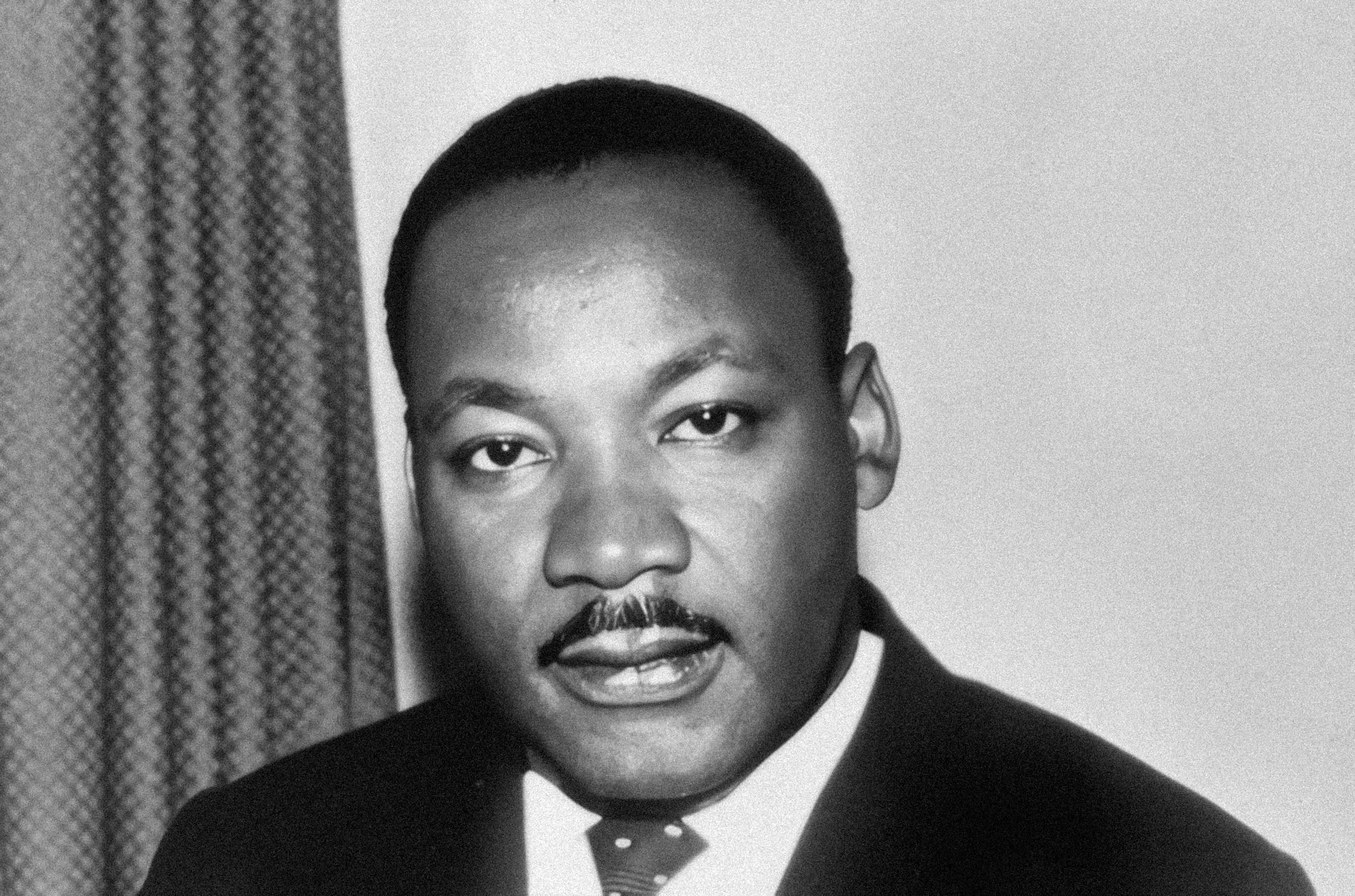
On Martin Luther King Day this year, as I listened to leaders including U.S. Senator Charles Schumer, Congressman Hakeem Jeffries, New York State Attorney General Letitia James, the Reverend William Barber, and New York City Mayor Zohran Mamdani speak at the Brooklyn Academy of Music, I found myself wondering what Dr. King would write if he penned a contemporary “Letter from a Birmingham Jail.” More than 60 years later, how would this prophetic moral leader assess this nation’s progress or its regression?
During graduate school, I worked for a member of Congress and served on a committee advocating for Dr. King’s birthday to become a federal holiday. Coretta Scott King attended many of our meetings. When we faced hard questions, she often asked, “What would Martin do or say?” That question returned to me this year as I reflected on the complex challenges facing America and imagined how Dr. King might speak to this moment.
Dr. King’s “I Have a Dream” speech includes his famous call for people to be judged by the content of their character. I found myself wondering how he would judge a nation that elected in 2024 a 34‑time‑indicted candidate to the White House. Would he conclude that America is struggling with its moral compass?
Dr. King would surely acknowledge the progress made since the passage of the Civil Rights and Voting Rights Acts — from electing Barack Obama as president to the historic rise of Hakeem Jeffries, now poised to become the next Speaker of the House. Yet he would also lament this nation’s alarming slide backward: the dissolution of voting rights, the rollback of DEI initiatives, and the attacks on the teaching of Black history. I imagine him writing, with sorrow, that the rights he fought and bled for are evaporating before our eyes.
He would likely turn his attention to the racial wealth gap, racial health disparities, and the widening chasm between the rich and poor. Dr. King warned in his time that inequality threatened the soul of America. Today, he would raise the alarm about new legislation, like the One Big Beautiful Bill, passed by a Republican-led Congress that disproportionately harms Black and brown communities by slashing Medicaid and food assistance. He would cite research from the Center on Budget and Policy Priorities showing that executive actions are hollowing out the federal workforce, historically a ladder of opportunity for Black Americans since its desegregation in 1948. The report notes that these policies “limits the opportunities for Black households to move forward in life, and to be free from worry about just getting by.” He would demand to know: How can a nation call itself just, while enshrining policies that deepen generational disadvantage?
Economic mobility, Dr. King might write, has become a relic. In the 1950s, even under Jim Crow, opportunity still existed for some to rise beyond their parents’ circumstances. Today many Americans feel that the promise of upward mobility has collapsed, and what stands in its place is not an American Dream but an American nightmare.
In his modern-day letter, Dr. King would also express deep concern about the treatment of immigrants, especially Black and brown immigrants who face detention, deportation, and state‑sanctioned violence. He would remind us that nearly all Americans are descendants of voluntary or involuntary immigrants. He would argue that the words inscribed on the Statue of Liberty: “Give me your tired, your poor, your huddled masses yearning to breathe free,” ring hollow in a nation where ICE separates families and kills innocent people.
Polling from YouGov shows the country sharply divided over whether ICE should even exist, with Democrats favoring abolition, Republicans strongly opposing it, and independents split nearly down the middle. Dr. King would see in this data the fraying of American empathy and a disturbing moral drift.
He would also confront the school-to-prison pipeline and the prison‑industrial complex. In 1963, 620,000 young people aged 14-24 dropped out of school. By 2022 that number was 2.1 million for youth ages 16-24, according to the National Center for Education Statistics. The jump is staggering. He would note that a disproportionate number of these dropouts are Black and brown (25 percent in 2022), and that dropouts are 63 percent more likely to be incarcerated. These numbers, he would argue, expose a nation still mired in systemic racism, where under-resourced schools funnel children into prisons in what he might call a modern form of apartheid.
Dr. King would draw sharp parallels between the Birmingham of 1963 and the Minneapolis of 2026. In Birmingham, demonstrators faced Bull Connor’s dogs, water hoses, and police batons. In Minneapolis, ICE has engaged in racial profiling, violent enforcement, and the killing of civilians. Both cities illustrate systems of state oppression, both expose deeply entrenched racial hierarchies — Jim Crow then, punitive immigration policies now — and both show authorities violating constitutional rights under the guise of law and order. As Birmingham was the epicenter of the Civil Rights Movement, Minneapolis has become ground zero for the immigration rights movement.
In 1963, Dr. King wrote his letter in response to white clergy who cautioned him to “wait.” He explained why waiting was impossible in the most segregated city in America, a city with a long record of police brutality. He would see chilling echoes in Minneapolis. Despite its reputation as a progressive metropolis, it is one of the most segregated in the nation, with some of the worst racial disparities in America. Its record of police violence stretches back more than a century, as documented by Minneapolis Public Radio.
If Dr. King were alive today, I believe Minneapolis would become his Birmingham. It mirrors the same moral emergencies — state violence, racial inequity, and a crisis of conscience — that compelled him to write from that Birmingham jail cell.
And just as in 1963, he would call on America not simply to look inward, but to rise up with courage, with truth, and with the fierce urgency of now. That urgency is plain: legislative efforts like the SAVE Act and the Make Elections Great Again Act, which would add new proof of citizenship and residency, and suppress participation among millions of eligible voters, are moving through Congress. Dr. King would say it is urgent for those who want to maintain our democracy to fight to stop these voter suppression legislative proposals from becoming a reality for this nation.
About the Author:
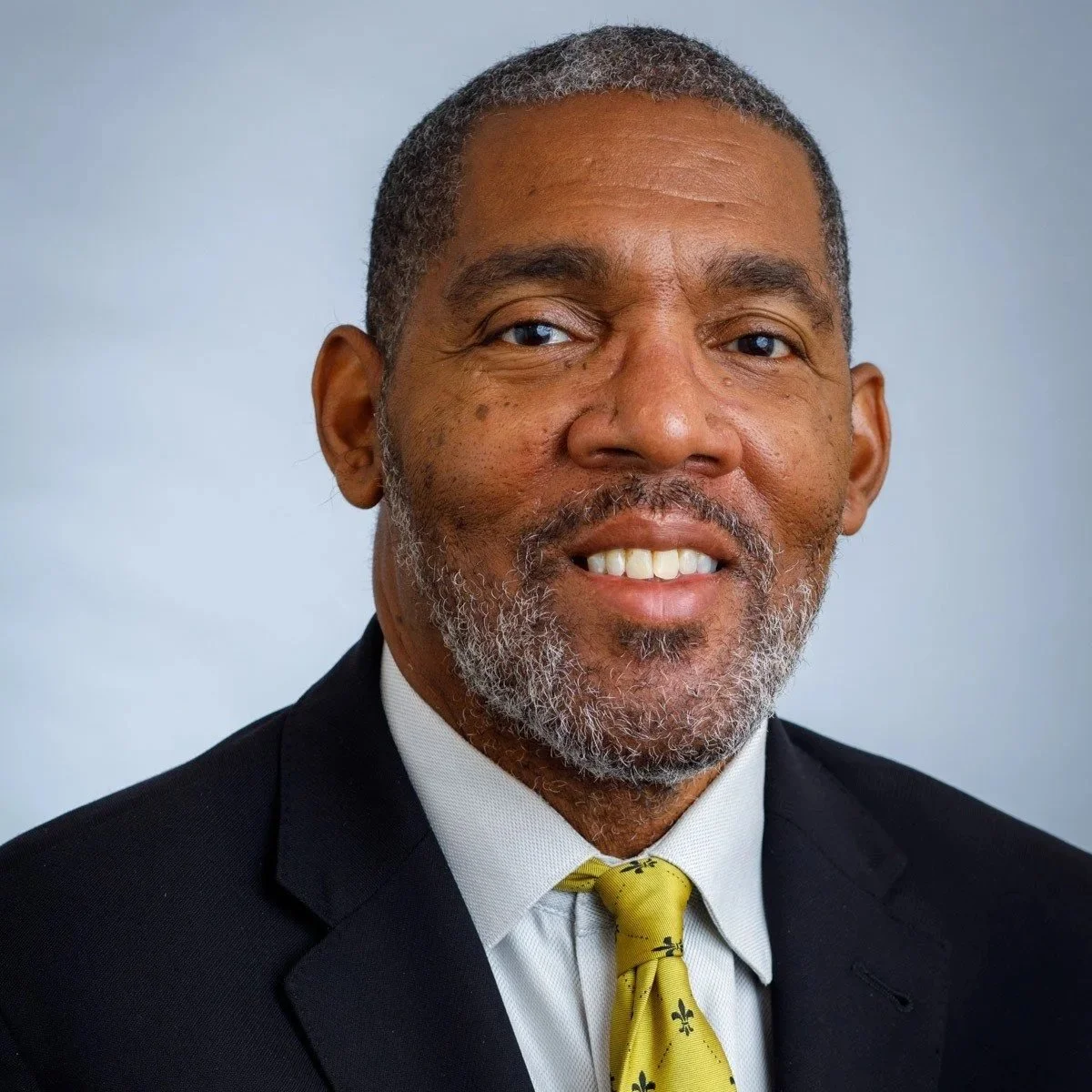
Peter Williams is a seasoned nonprofit and policy leader with extensive experience in nonprofit capacity building and in the development of housing, civil rights, and civil justice programs. He most recently served as executive vice president for programs at the NAACP and previously held senior leadership roles as president and CEO of the Mid Bronx Desperadoes Community Housing Corporation, vice president of continuing education and community programs at Medgar Evers College of the City University of New York, and director of housing and community development for the National Urban League. Earlier in his career, he worked in public service as a legislative assistant to U.S. Congressman Edolphus Towns and as deputy advocate in the New York City Office of the Public Advocate. Peter Williams is a 2021 Harvard Advanced Leadership Initiative Fellow and continues to share his expertise in policy and program development through consulting and teaching at Medgar Evers College.