All Along the Watchtower: The Global GeoSentinel Network
Since 1995, GeoSentinel, a partnership between the International Society of Travel Medicine and the U.S. CDC, has grown to 68+ sites in 32 countries, tracking emerging infectious diseases among international travelers. Tom Mahoney, ALI Senior Fellow '24, spoke with Dr. David Hamer, GeoSentinel's Surveillance Lead, about how it detects outbreaks early and adapts to a mobile world.

Making Healthcare Better: Quality, Equity, and Purpose
How do we make healthcare better – and toward what end? Don Berwick begins with the healthcare system itself, examining why choosing what to improve is a moral declaration, how commitments to quality and equity shape that choice, and what the American healthcare system is actually designed to achieve and whom it is designed to serve.
The Freedom We Inherited – and the Responsibility We Share
OPINION COMMENTARY:
As America marks its 250th anniversary, Hon. Vivian Lowery Derryck reflects on a lifetime of public service, civil rights, racial reconciliation, civic engagement, and the shared responsibility of every citizen to strengthen American democracy.

A Pledge Renewed: Courageous Citizenship in the Attention Economy Era
OPINION COMMENTARY:
As America marks 250 years, citizens face an attention economy where outrage is rewarded and visibility often matters more than reflection. Courageous citizenship now means choosing depth over immediacy, truth over amplification, even at real cost. Christy Grace Provines, executive director of The 'MPOWER Project, argues democracy's survival depends on it.

Renewing the American Pledge through Civic Architecture
OPINION COMMENTARY:
Courageous citizenship has never been only a private virtue. It is an institutional achievement, built through associations, churches and schools that turned commitment into public action. Robert Ceresa, Associate Professor of Political Science and Founding Director of the Politics Lab at Huston-Tillotson, traces this history through the Rosenwald schools and offers a framework for rebuilding civic architecture.
Civic Prosperity at 250: From Sacred Honor to Shared Flourishing
OPINION COMMENTARY:
As America marks 250 years, Sanda Balaban, Executive Director of Project Pericles, argues that democracy's future depends less on heroic acts and more on everyday courage. Her essay makes the case for building "civic prosperity" into how colleges educate citizens.
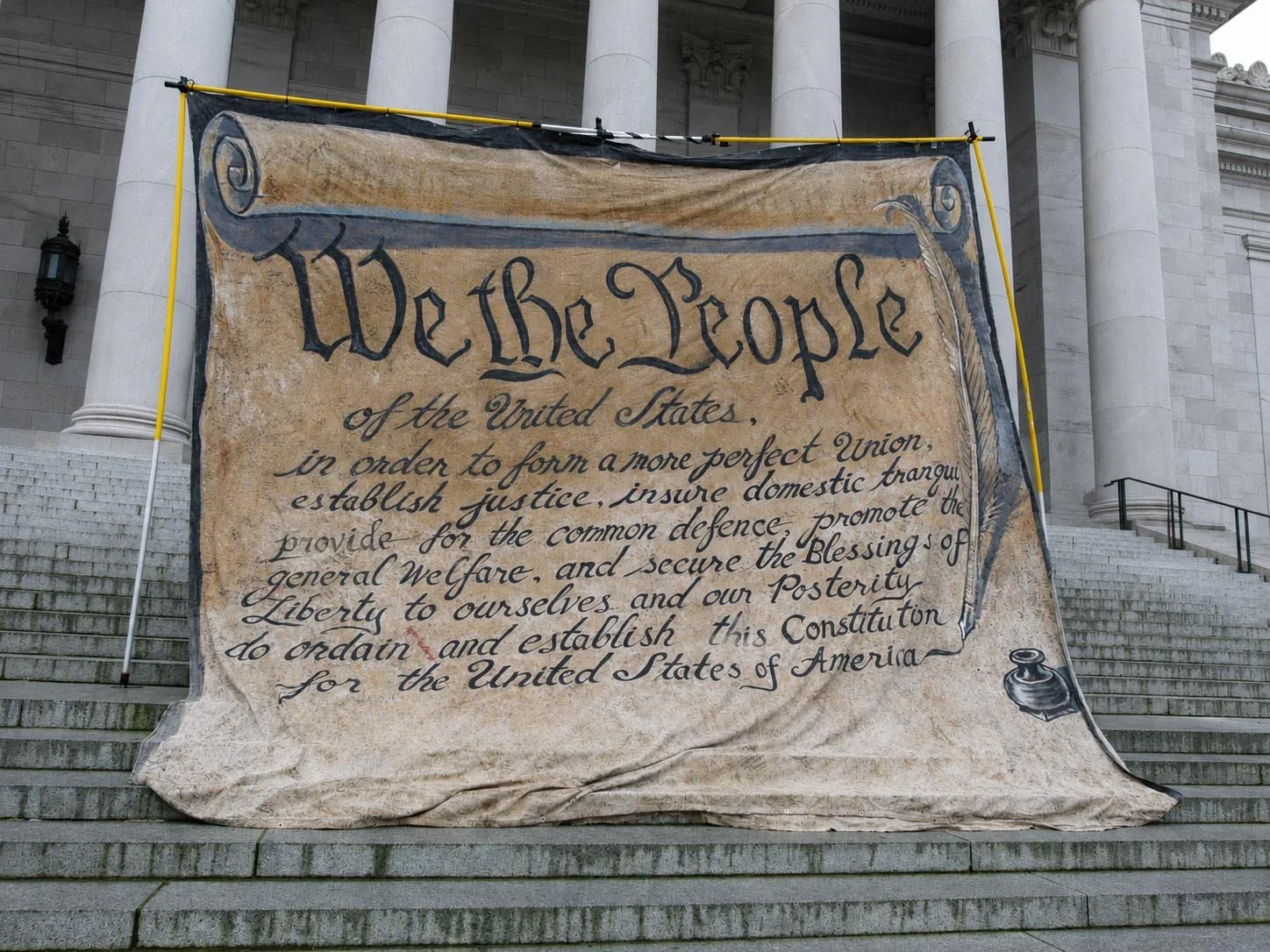
We the People Too: Reclaiming a Promise for America’s Next 250 Years
OPINION COMMENTARY:
Demar Goodman, rising senior at American University and student leader, delivers a powerful reflection on “We the People” and its unfinished promise. Drawing on history, identity, and lived experience, Demar challenges us to turn words into action for the next 250 years and beyond.
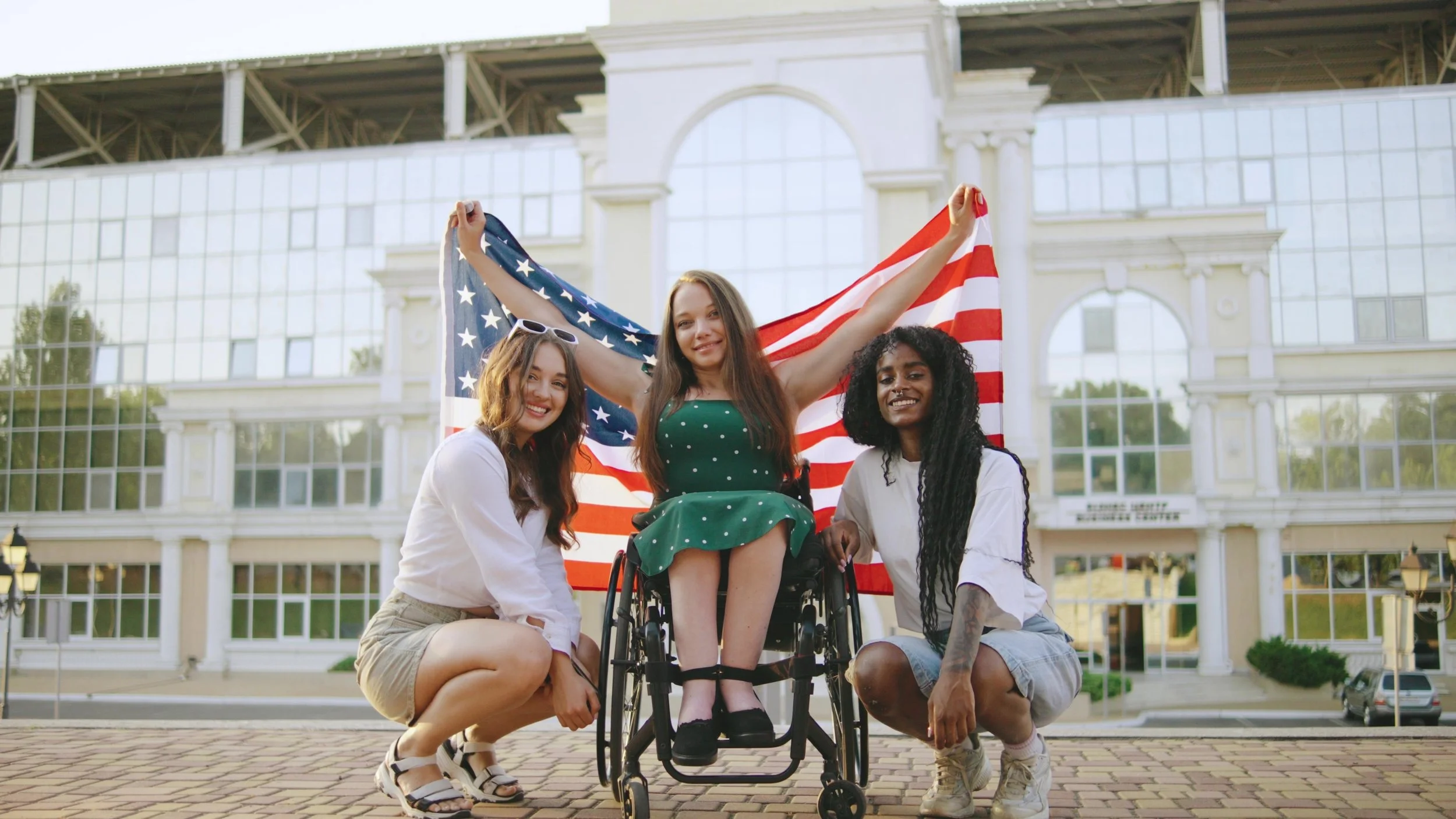
We the People Reimagined: Disability Justice and the Power of Collective Voice Today
OPINION COMMENTARY:
Anja Herrman, disabled writer, researcher, and disability rights advocate, shares a powerful reflection on activism, community, and civic change. Drawing from her experience as a student leader and advocate, she redefines “We the People” as a call to listen, collaborate, and build a more inclusive democracy together.

The American Dream, Higher Education, and the Work of Economic Mobility
OPINION COMMENTARY:
Elson Nash, an education and social impact leader, Senior Fellow at Blue Meridian Partners, and By All Means Senior Fellow at The EdRedesign Lab at Harvard, reflects on how hidden barriers in higher education shape who has a real shot at opportunity and what it will take to ensure the American Dream delivers across generations through access, support, and system-level change.
The American Dream Is the Freedom to Leave — and the Responsibility to Return
OPINION COMMENTARY:
Rey Saldaña, President and CEO of Communities In Schools and By All Means Senior Fellow at The EdRedesign Lab at Harvard, reflects on how his immigrant father’s sacrifices shaped his understanding of the American Dream — and why true opportunity depends not just on individual grit, but on the systems and supports that help young people succeed and stay connected to their communities.

The American Dream Shouldn’t Depend on Your Zip Code
OPINION COMMENTARY:
Christian Rhodes, Chief National Impact Officer at Harlem Children’s Zone and By All Means Senior Fellow at The EdRedesign Lab at Harvard, reflects on a hard truth: in America, a child’s future is still too often determined by their zip code. Drawing from personal experience and national leadership, he calls for bold, place-based solutions that align systems and expand opportunity for every child.
Who Gets to Dream? What My Parents, a Library, and Two Sons Taught Me About Opportunity in America
OPINION COMMENTARY:
In this powerful reflection, Dreama Gentry, Founder & CEO of Partners for Rural Impact and By All Means Senior Fellow at The EdRedesign Lab at Harvard Graduate School of Education, explores how place shapes possibility — and why expanding opportunity for rural youth is essential to the American Dream. A moving call to ensure every child can dream beyond the limits of geography.

The American Dream Begins with Flourishing Children
OPINION COMMENTARY:
Sondra Samuels, President & CEO of Northside Achievement Zone and By All Means Senior Fellow at The EdRedesign Lab at Harvard, knows firsthand what it means to be underestimated. Drawing from her own story and decades of community leadership, she argues that closing the education gap isn't just a moral imperative — it's the essential work of sustaining American democracy.
American Children are Falling Out of Love with History – Here’s How to Bring Them Back
OPINION COMMENTARY:
As our nation marks its 250th anniversary, a troubling trend is emerging: children are losing their connection to history. In this compelling op-ed, Rob Waldron, former CEO of Curriculum Associates and a leader in civic education, explores how innovation, technology, and community action can reignite historical curiosity and strengthen democracy.

Vaccines, Equity, and Public Trust: A Front‑Line View from Seattle to CDC ACIP
From Seattle’s first COVID-19 signals to the CDC’s Advisory Committee on Immunization Practices (ACIP), Dr. Helen Chu, University of Washington Professor of Medicine, shares a front-line perspective on vaccines, health equity, and public trust in conversation with Tom Mahoney (ALI Senior Fellow ’24), exploring what must change to rebuild confidence and improve health outcomes.

Accounting Ethics, Professional Identity, and the Public Interest
Professor Megan Hess of Washington and Lee University explores the recent wave of accounting ethics scandals and asks a deeper question: has the profession lost its moral foundation? Her argument points to professional identity as a critical path to rebuilding trust.

Rethinking Preparedness in an Age of Emerging Public Health Threats
In this timely Q&A, Dr. Caitlin Rivers, Director of the Johns Hopkins Center for Outbreak Response Innovation, joins Matt Nathan (ALI ‘20) to examine emerging infectious diseases from Ebola to hantavirus, alongside global health risks, public health funding, and pandemic preparedness in a rapidly changing global health landscape.
The Cost of Indifference: America’s Overdose Crisis in Black Communities
OPINION COMMENTARY:
In this powerful opinion commentary, Saeeda Dunston, CEO of Elmcor Youth & Adult Activities, challenges the narrative around declining overdose rates — highlighting the persistent and overlooked crisis in Black communities, and calling for equity-driven, care-centered solutions.

The Public Interest at the Intersection of AI and Climate Change
OPINION COMMENTARY:
In the worlds of commerce and environmental protection, the dominant megatrends of the day are artificial intelligence (AI) and climate change. Rajan Mehta (ALI ‘22) details the risks and potential benefits of the relationship between these trends and why smart, coordinated regulation and policies can ensure the world gets optimal public benefit outcomes.
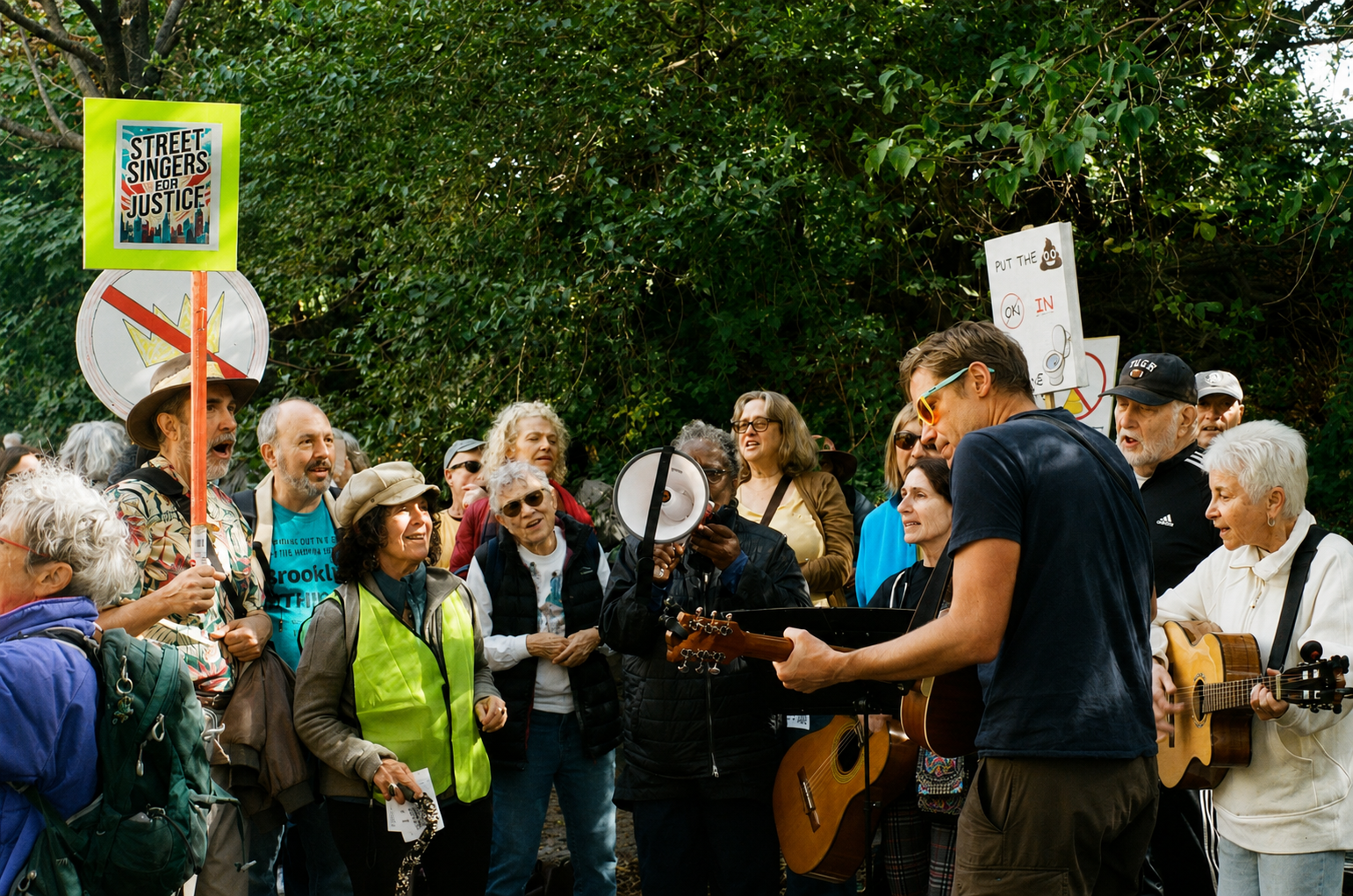
Music, Protest, and the Power of Collective Voice
What gives music the power to move people from witness to action? Sociologist Ronald Eyerman reflects on protest songs, political memory, collective identity, and the enduring role of artists from Joe Hill to Bruce Springsteen in conversation with John Carroll (ALI ‘21).