We the People Too: Reclaiming a Promise for America’s Next 250 Years
Writing from different lived experiences, two American University students, insist that "We the People" only becomes real when our country is willing to listen to the people it has left out.
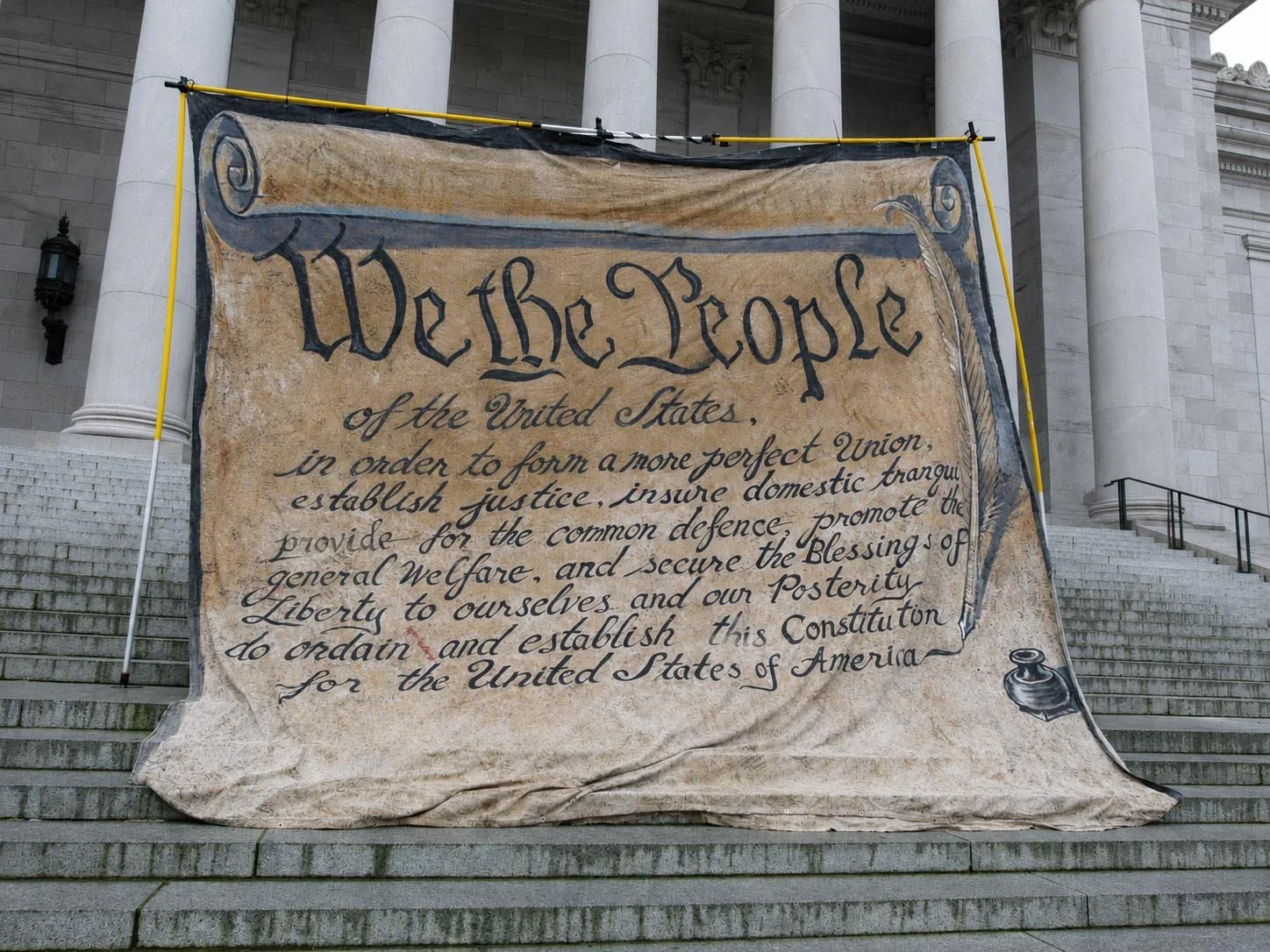
The most powerful tools that shaped this country for over 250 years, aren’t nuclear weapons. They aren’t planes, trains or ships. They’re words. You see words frame ideas. Ideas shape policy, and policy decides culture. As we celebrate 250 years of these United States, let us explore what arguably the most famous words in this country really mean to the culture: We the People.
Because whether you're black, white or Hispanic, We the People too. Whether you’re gay, straight, or queer, We the People too. Whether you’re male, female, anything in between, or everything outside, We the People too.
I’ve gone to see it, down at the national archives. We all have. Those fading strokes written on those fragile parchment sheets boldly declaring that We the People, in order to form a more perfect union, commit ourselves to the prosperity of this nation by establishing the three branches of the government that would work for each and every one of us, and the generations ahead of us. I’ve seen it. I’ve seen the great accomplishments that We the People of this nation have made for ourselves, the institutions we’ve forged, and the advancements we’ve produced. I’ve seen it. But the one thing that has become increasingly clear, is something we’ve all seen. The contradictions. We all have. We’ve seen how this country commands success from all, but puts barriers to prevent me from being successful. I’ve seen how this country demands liberty and justice for all, but imprisons me at five times the rate. I’ve seen the scars this country has left on me.
Because We the People isn’t just a phrase, it’s a promise unkept.
You see, I know what We the People means, to my people. To us, We the People is a slap in the face. We the People to us means We the People who built the people’s house brick by brick, stone by stone, and lifted up the occupant of it on our backs. But its office wasn’t made for us but its powers and duties are routinely enacted on us. We the People who are supposed to grit our teeth and turn the other cheek.
I know what We the People means to my people. It means We the People who fed children in the mornings with Fred Hampton, who revolutionized art and culture with Maya Angelou, and who advanced our sciences like George Washington Carver. And then, We the People who this country is going to hit in its crossfire. Like Crispus Attucks, an African-American man who was the first American killed in the American Revolution. Like Private Charles Lewis, Sergeant Major John Green, Robert Truett, Herman Arthut, and the many more veterans and soldiers who were murdered after serving this country in World War I. Like Ahmaud Arbury who was shot for jogging in the midst of racial unrest for rights in this country. We the People who are expected to fight wars in defense of this country while dealing with a war on us by this country.
It is easy to dismiss the interpretations of these words as semantics, but that is a gross misunderstanding of all 250 years of this country’s history. Semantics gave us the Declaration of Independence that established our sovereignty from the British empire. Semantics gave us three coequal branches and a Constitution shaped by debate from the Federalist Papers. Semantics gave us the Civil Rights Act that ended legal segregation and discrimination. Semantics gave us Title IX that prohibits sex-based discrimination. Semantics are essential to surviving the next 250 years.
So when I say that We the People cannot just be words that are left to be fading on paper, it issemantics but also an instruction to remember the past to preserve our future. DEI protects minorities, pronouns protect identity, but ethnic equity can and will protect this nation. We the People must make it so. It doesn't matter if you're black, white, Hispanic. Gay, straight, or queer. Male, female, anything in between, or everything outside. We the People too.
For the next 250 years, We the People too. And every year after that, We the People too.
About the Author:
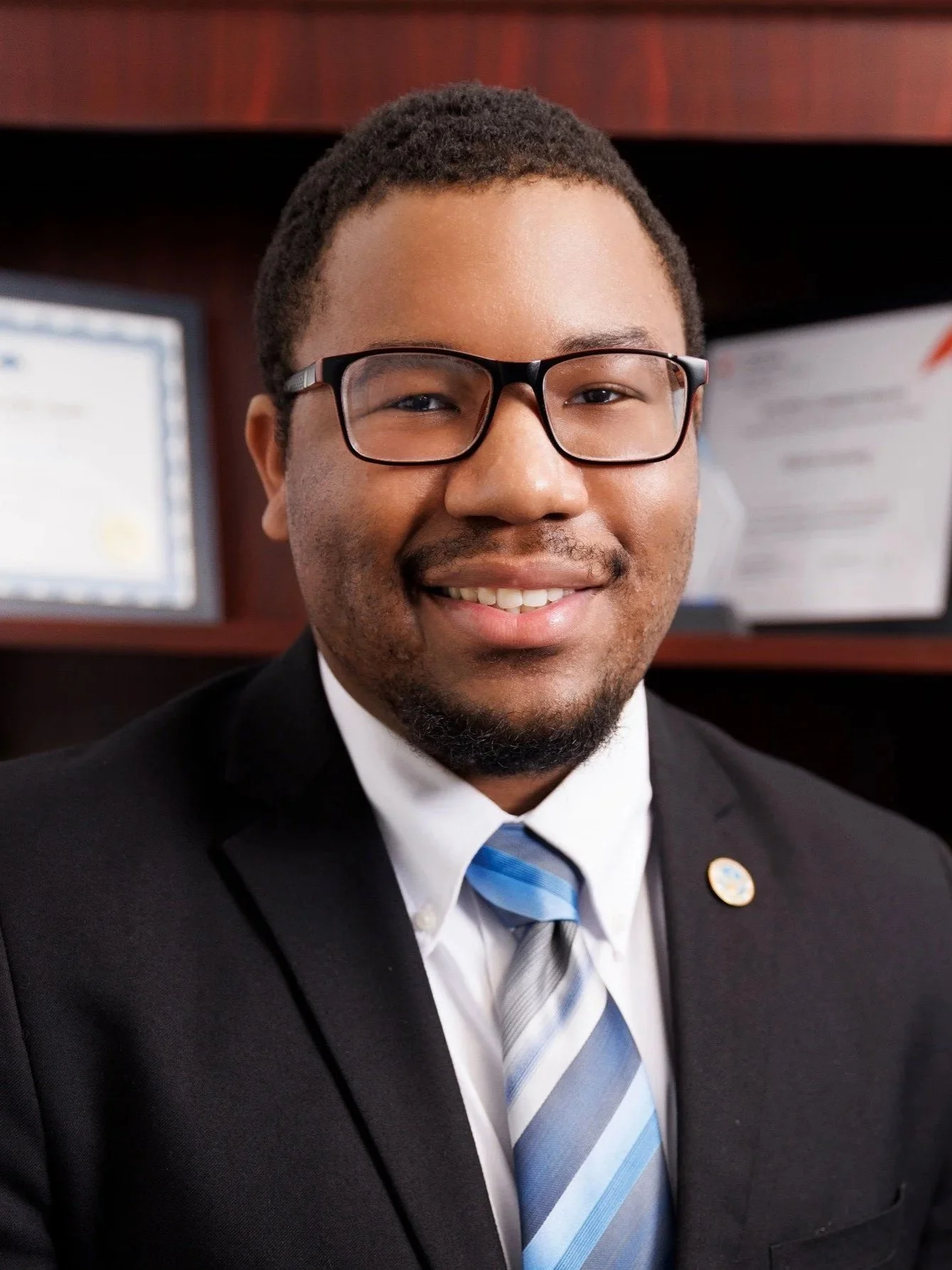
Demar Goodman is a rising senior at American University in Washington, DC, and an alumni of South Atlanta High School. Majoring in Communications, Legal Institutions, Economics, and Government (CLEG), and minoring in Education Studies, Demar is an involved student who is a part of AU's selective Politics, Policy, and Law Scholars Honors Program, is a senator in the American University Student Government, serves as a Lead Resident Assistant, and President of the AU chapter of National Residence Hall Honorary. Outside of school, Demar has been heavily involved in civics, being an intern for the Atlanta City Council, being featured in the Washington Post advocating for affirmative action, and being a part of various other opportunities and appearances across Atlanta.