Who Gets to Dream? What My Parents, a Library, and Two Sons Taught Me About Opportunity in America
As the United States marks its 250th anniversary, the Harvard Graduate School of Education's EdRedesign By All Means Senior Fellows share personal reflections on the American Dream and the work that remains to expand opportunity for all.
My Momma named me Dreama. She believed in the power of dreams. Daddy believed in me. As far back as I can remember, Daddy told me I could be whatever I wanted to be. I grew up in Appalachian Kentucky believing I could succeed because my parents said I could. At the same time, they had seen enough life to know that opportunity was not distributed fairly. They had watched people from our place work hard and still struggle to get ahead. They had seen opportunities pass by folks in our community. Looking back, I realize they understood something I would spend much of my life studying: place shapes possibility.
They taught me to dream anyway.
I attended a small elementary school where Mrs. Walker, Mr. Killen, and so many others joined my parents in teaching me to dream. There were only eighteen of us in my class from kindergarten through eighth grade. When high school graduation came around, only twelve of our eighteen graduated. In hindsight, I realize that not all of us had people and experiences that expanded what we believed was possible.
The year I graduated from high school, a national printing company opened in the next town over. My parents hoped I might get a job there. Good pay. Benefits. A place to retire from. A chance to stay close to home and family. Looking back, I understand exactly why they imagined that future for me. Momma and Daddy wanted me to succeed. They were dreaming big from what they knew. The future they imagined reflected their idea of success — and the opportunities they had seen themselves. In many ways, it was their version of the American Dream.
And I realize the question is not whether people dream. The question is how big we dream. And that is shaped by what we have had the chance to see — and the opportunities we have been given to explore.
From the time I was little, my grandma, Ma, helped me find my voice, to use that voice, my mind, and skills to locate my place in the world. From conversations around her kitchen table to trips around town. The summer between eighth and ninth grade, Ma dropped me off at the public library nearly every day while she visited Momma Nell, my great-grandma, at the nursing home. Without either of us fully realizing it, she was expanding what I believed was possible. The library became my window into possibilities. I visited places I had never been, met people I could not have imagined, and learned about problems I had never thought about.
That summer I read a biography of Bobby Kennedy. Kennedy’s was the first voice I encountered in books or on television that spoke of my place and my people. Learning that he had spent time in my part of Kentucky — and that my place had moved him — deepened my appreciation for home. One passage stayed with me, a quote Kennedy attributed to Archimedes: “Give me a place to stand, and I will move the world.” I didn't fully understand it at the time, but something about those words lingered. That summer, the book affirmed the power of place and planted questions that would shape much of my life's work.
My parents had already taught me to dream. But, it was the library that expanded the size of my dreams. And so did caring adults. Pat Hurt, my high school guidance counselor, connected me to programs like Upward Bound and Governor's Scholars that provided access to college campuses, mentors, and peers who believed in unlimited possibilities. Many of the people in my life — including people who loved me — did not believe those opportunities were meant for someone from our place. Mrs. Hurt did. She told me they were meant for me, and I believed her. She helped me see a future filled with opportunity and choice — a future where I could choose my career.
I met Hasan, now my husband, while I was in college. Like my parents, Hasan believed I could achieve whatever I set my mind to. After graduating college, I went on to practice law. I had a career that surpassed the dream my parents held for me. Yet the longer I practiced law, the more I found myself thinking about the young people back home who had not seen the same possibilities that I had seen, who had not been given the same opportunities that I had been given.
I wanted to do for them what others had done for me.
Hasan encouraged me to think about a calling, not just a career. He had spent years listening to me talk about the problems I saw in the world — rural communities being overlooked and young people lacking opportunities. Eventually, he challenged me to stop waiting for someone else to build the opportunities and systems I believed were missing.
I left the practice of law, returned home, and began the work that would eventually become Partners for Rural Impact. Today, that work expands opportunities for rural young people across the nation. Along the way, I learned something simple: whether they live in Appalachia or the Passamaquoddy Nation, Los Angeles, California, Mexico, or Missouri, parents have dreams for their children and want them to have opportunities. Parents care deeply about their children. The range of possibilities they imagine is shaped by the possibilities they have had the chance to see. That realization has shaped much of my life's work — and how I think about the future of our country.
Over time, my understanding of the American Dream expanded. It is neither singular nor static. It is believing that your children can aspire to futures you may not be able to imagine and pursue opportunities you could not fathom.
When Hasan and I became parents, we held big dreams for our sons, Malcolm and Christopher.
We wanted them to encounter possibilities earlier than we had while remaining connected to family, history, and place. For the first time, I understood my parents. They had dreamed big for me. Their dreams reflected the possibilities they had seen, just as my dreams for Malcolm and Christopher reflected the possibilities I had seen. My parents loved me just as much as I love Malcolm and Christopher. The difference was not how much we cared. It was the range of possibilities we could imagine for our children.
As America celebrates its 250th birthday, I look at Malcolm and Christopher. Like me, they were raised in Appalachian Kentucky. They have explored opportunities far beyond the mountains they call home, yet they remain deeply connected to home and community. They know where they come from, but they have never assumed that their place determines where they belong.
That gives me hope and reminds me why my work matters. Today, fourteen million young people grow up in rural America. Their futures — and our nation's future — should be shaped by their talents, interests, and aspirations, not by geography.
What kind of nation should we want to be? A nation where every young person gets to dream big. A nation where young people have the chance to discover possibilities beyond what they know today — and the opportunity to pursue those possibilities wherever they may lead.
About the Author:
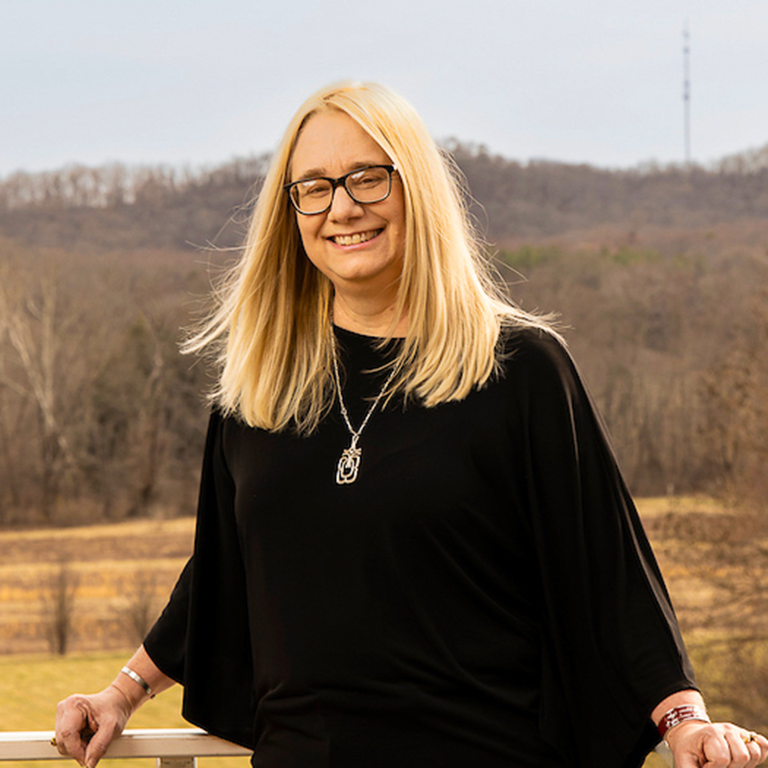
Dreama Gentry, a proud Appalachian with deep roots in rural Kentucky, is a first-generation college graduate who has dedicated her life to expanding opportunity for rural children and families. She is a By All Means Senior Fellow at The EdRedesign Lab at Harvard Graduate School of Education. As founder and CEO of Partners for Rural Impact (PRI), she leads a national intermediary focused on advancing upward mobility for the 14 million young people living in rural America. Under her leadership, PRI has grown to more than 350 employees across eight offices and manages an annual budget exceeding $60 million.
Dreama is the architect of the nation’s first rural Promise Neighborhood and a pioneer of a rural-focused Full Service Community School model, with PRI now supporting four Promise Neighborhoods and more than 130 schools across Kentucky, Texas, and Missouri. A graduate of Berea College and the University of Kentucky College of Law, she serves on national advisory bodies advancing economic mobility.