
The American Dream, Higher Education, and the Work of Economic Mobility
AMERICA 250:
OPINION COMMENTARY:
Elson Nash, an education and social impact leader, Senior Fellow at Blue Meridian Partners, and By All Means Senior Fellow at The EdRedesign Lab at Harvard, reflects on how hidden barriers in higher education shape who has a real shot at opportunity and what it will take to ensure the American Dream delivers across generations through access, support, and system-level change.

The American Dream Is the Freedom to Leave — and the Responsibility to Return
AMERICA 250:
OPINION COMMENTARY:
Rey Saldaña, President and CEO of Communities In Schools and By All Means Senior Fellow at The EdRedesign Lab at Harvard, reflects on how his immigrant father’s sacrifices shaped his understanding of the American Dream — and why true opportunity depends not just on individual grit, but on the systems and supports that help young people succeed and stay connected to their communities.

The American Dream Shouldn’t Depend on Your Zip Code
AMERICA 250:
OPINION COMMENTARY:
Christian Rhodes, Chief National Impact Officer at Harlem Children’s Zone and By All Means Senior Fellow at The EdRedesign Lab at Harvard, reflects on a hard truth: in America, a child’s future is still too often determined by their zip code. Drawing from personal experience and national leadership, he calls for bold, place-based solutions that align systems and expand opportunity for every child.

Who Gets to Dream? What My Parents, a Library, and Two Sons Taught Me About Opportunity in America
AMERICA 250:
OPINION COMMENTARY:
In this powerful reflection, Dreama Gentry, Founder & CEO of Partners for Rural Impact and By All Means Senior Fellow at The EdRedesign Lab at Harvard Graduate School of Education, explores how place shapes possibility — and why expanding opportunity for rural youth is essential to the American Dream. A moving call to ensure every child can dream beyond the limits of geography.

The American Dream Begins with Flourishing Children
AMERICA 250:
OPINION COMMENTARY:
Sondra Samuels, President & CEO of Northside Achievement Zone and By All Means Senior Fellow at The EdRedesign Lab at Harvard, knows firsthand what it means to be underestimated. Drawing from her own story and decades of community leadership, she argues that closing the education gap isn't just a moral imperative — it's the essential work of sustaining American democracy.

American Children are Falling Out of Love with History – Here’s How to Bring Them Back
AMERICA 250:
OPINION COMMENTARY:
As our nation marks its 250th anniversary, a troubling trend is emerging: children are losing their connection to history. In this compelling op-ed, Rob Waldron, former CEO of Curriculum Associates and a leader in civic education, explores how innovation, technology, and community action can reignite historical curiosity and strengthen democracy.

From First Jobs to Collective Leadership: Shaping Lasting Impact and Equity
How do early career choices shape lifelong leadership and systems change? Wendy Kopp, CEO of Teach For All, shares insights on first jobs, proximity, and collective leadership in a conversation with Gina Lazaro (ALI ’21) focused on education equity and developing the leaders our world needs.

Educating the Next Generation to Lead on Sustainability and Climate Solutions
In a world facing the realities of climate change, education is one of society’s most powerful tools for action. SubjectToClimate (StC), founded by David Jaffe and Margaret Wang-Aghania, provides a free, innovative platform that helps K-12 teachers bring climate and sustainability literacy into classrooms, inspiring the next generation of leaders.

After Race-Conscious Admissions: How to Provide Strategic and Aggressive College Application Advice to Academically Ambitious Black Students
The Supreme Court’s ruling in Students for Fair Admissions prohibited the consideration of race in college admission decisions. Kamal A. James and Dr. Irvin L. Scott provide guidance for fellow educators working to support academically ambitious Black students as they prepare for the college application process.

The New Innovator's Dilemma: Fostering Young Talent in the Age of AI
AI is dramatically changing entry-level work by reducing opportunities for human-to-human feedback and mentorship. Some employers and educators, however, are finding ways to help recent graduates and young workers gain the experience and connections needed to launch their careers.

Unlocking Success: Key Lessons from Academia-Government Collaborations in Advancing Public Policy
Collaboration between academics and government agencies is essential for advancing our understanding of public policy issues. Noelwah Netusil and Marie Walkiewicz describe how to overcome barriers that can hinder these efforts and limit their effectiveness.

Women’s Voices Matter
The absence of women’s speech from anthologies and history books is not just a case of missing content. What’s also lost are examples of women as authority figures, self-determined leaders, and informed, confident participants in public life and affairs.

Empowering Teachers: Tackling the Global Learning Crisis From the Front Line
High quality education is critical for reducing poverty and creating societal change, particularly in rural and underserved communities. Heather Hiebsch co-founded TeachUNITED to tackle this issue by prioritizing teacher quality and utilizing research-driven strategies to empower and support educators, and engage students.

Reframing Diversity, Equity and Inclusion in Higher Ed Through Olympic Values and Game Theory
OPINION COMMENTARY:
The merits of diversity, equity and inclusion (DEI) initiatives are being fiercely debated on university campuses and elsewhere in society. Dr. Judi Brown Clarke, a chief diversity officer at a public research university and Olympic medalist, advocates for incorporating Olympic values and game theory into DEI initiatives thereby creating inclusive campus environments.

Inspiring and Shaping Future Social Impact Leaders
A conversation with Brian Trelstad, newly appointed Faculty Chair of Harvard’s Advanced Leadership Initiative. A Senior Lecturer at Harvard Business School, Trelstad discusses his vision, priorities, challenges and goals as he takes over as the third Faculty Chair of the first interdisciplinary academic fellowship program created for experienced third stage leaders to help them address society’s pressing challenges through social impact strategies and projects.

Helping Youth Facing Barriers to Employment: When Small is an Advantage
Small organizations can often provide the most effective approaches to helping youth who face serious barriers to employment. Andrew McKnight, Executive Director of The Challenge Program and CP Furniture, describes the advantages of being nimble and innovative, along with the realities and challenges of being a small nonprofit working with this population of youth.

Facing the Future: The Urgent Need for Innovation in Higher Education
Former college president Brian Rosenberg explores the pressing need for change in higher education and why the industry is resistant to even discussing the crisis it faces. He paints a stark picture of an industry at a crossroads, highlighting the urgent need for innovation, adaptation, and a reevaluation of structures and practices to continue fulfilling its essential societal role.

AI Can Make Schools More Human, But Only If Schools Prioritize Relationship Metrics
Despite promises of efficiency leading to more focus on relationships between and among teachers and students, AI is on track to dramatically worsen student isolation – unless schools reconfigure their organizational models and metrics to elevate, rather than diminish, human relationships.

SCOTUS Opinions on Student Admissions and Debt Harm Our Economy
OPINION COMMENTARY:
Achieving racial equity has gone beyond a moral imperative to become an economic imperative for this nation. Peter Williams explains how the Supreme Court’s decisions on affirmative action and student loan debt makes the problem worse.
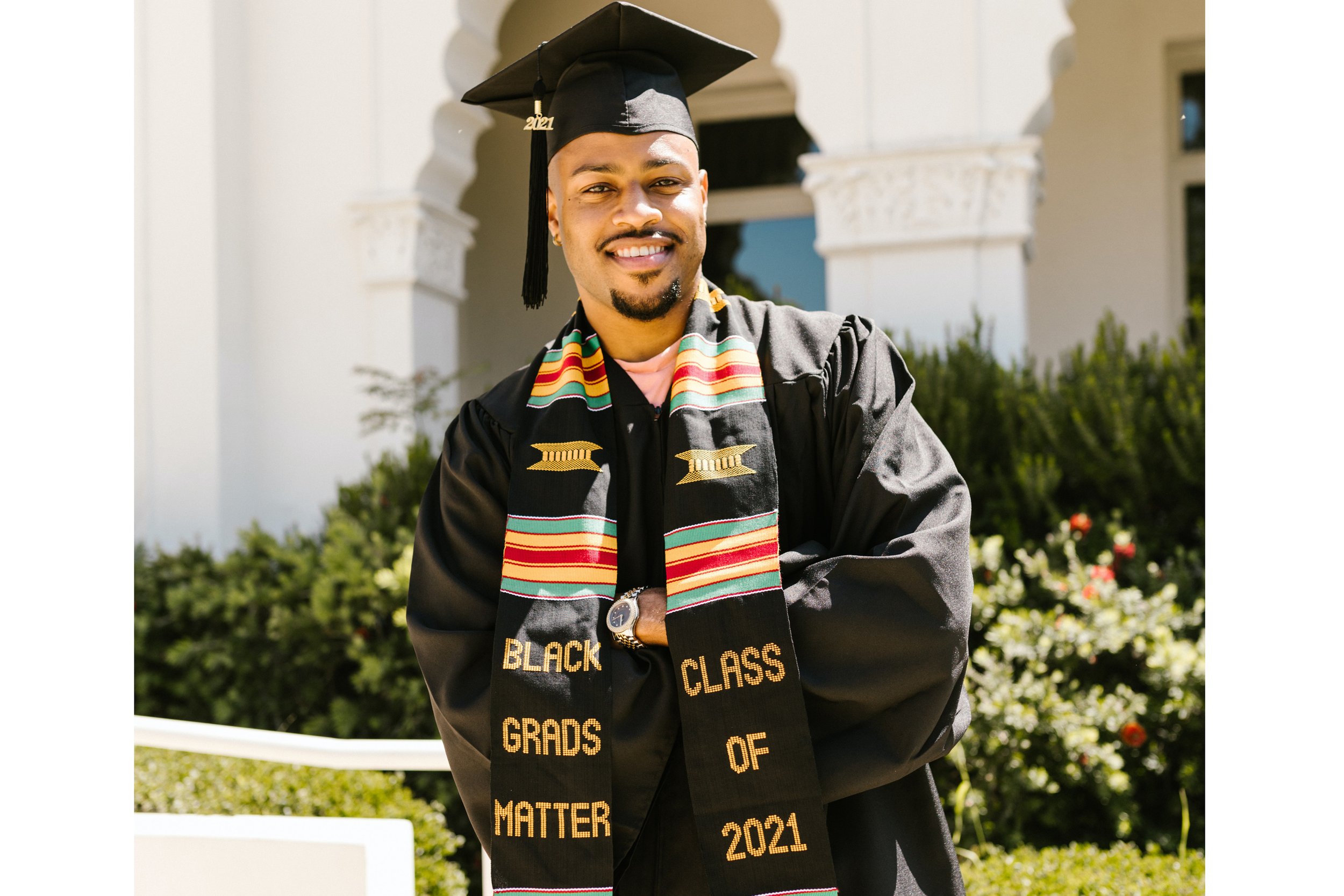
What Now? HBCUs Are Ready to Respond to the Supreme Court's Decision on Affirmative Action
OPINION COMMENTARY:
When the doors of college were reserved for whites only, Historically Black Colleges and Universities (HBCUs) gave African Americans the education they deserved and the strength to rise above bigotry. In the wake of the Supreme Court’s decisions that throttle affirmative action, 2021 Harvard ALI Fellow Terry Edmonds reminds us of the role HBCUs played in the past and the expanded role they may play now.