
The Public Interest at the Intersection of AI and Climate Change
OPINION COMMENTARY:
In the worlds of commerce and environmental protection, the dominant megatrends of the day are artificial intelligence (AI) and climate change. Rajan Mehta (ALI ‘22) details the risks and potential benefits of the relationship between these trends and why smart, coordinated regulation and policies can ensure the world gets optimal public benefit outcomes.

AI and Computing: Our Way to a Healthier World
What if AI could speed scientific discovery – better protecting communities from extreme heat, hurricanes, and climate disasters while also informing actionable insights for responsible AI infrastructure? Harvard Professor and Time100 Health data scientist Francesca Dominici examines that paradox in conversation with Emily Chien (ALI ’23).

Harnessing AI to Empower Smallholder Farmers: Bridging the Digital Divide for Sustainable Growth
For smallholder farmers, overcoming the digital divide could mean a shift from subsistence to sustainability. Harnessing AI has the potential to unlock new possibilities — boosting productivity, providing better market access, and securing their economic futures in an interconnected world.

The New Innovator's Dilemma: Fostering Young Talent in the Age of AI
AI is dramatically changing entry-level work by reducing opportunities for human-to-human feedback and mentorship. Some employers and educators, however, are finding ways to help recent graduates and young workers gain the experience and connections needed to launch their careers.

We Can’t Do It Without You: Multi-Stakeholders and the Fight Against Cybercrime
OPINION COMMENTARY:
Cybercrime is a global threat, demanding enhanced international cooperation and protection of human rights. The UN is now negotiating a new cybercrime treaty. Lead US negotiator, Ambassador (Ret.) Deborah McCarthy, argues for the involvement of multi-stakeholders – private sector, civil society, NGOs, and academia – to help member states in crafting and implementing the treaty to more effectively combat global cybercrime while safeguarding freedoms.

A New Frontier: Generative AI, Business Risks, Opportunities, and Investments in Climate Change
Finding emerging climate market opportunities can be challenging. As generative AI moves into the mainstream, Harvard Business School Professor George Serafeim shares how it can transform the way stakeholders and investors unlock new insights to better evaluate a company’s climate solutions, next generation innovation investments, and potential downstream risks and opportunities impacting business performance, human capital, and industry disruption.

Grassroots Revolution: Building Resilient Nonprofits with Strategies from Political Fundraising
Nonprofits struggle to harness the influence of grassroots donors. Henry Carroll and Taylor Greenthal recommend leveraging political fundraising strategies and collaborative efforts to efficiently build a broad grassroots donor base, ensuring successful navigation of the digital fundraising transformation.

Can AI Be Fair and Unbiased?
OPINION COMMENTARY:
Artificial Intelligence seems to be everywhere, from the agenda of world leaders to the limited series-style boardroom drama at OpenAI. Harvard Fellow, Paulo Carvão, discusses the challenges and importance of fair algorithms to ensure responsible and unbiased AI use.

Artificial Intelligence and the Path Forward for Technology Policy
Chris Lewis, CEO of Public Knowledge, answers questions from 2019 ALI Fellow Lisa Macpherson about the current public fascination with generative artificial intelligence, the policy solutions we really need for AI, and the regulation for digital technology that’s way overdue.

AI Can Make Schools More Human, But Only If Schools Prioritize Relationship Metrics
Despite promises of efficiency leading to more focus on relationships between and among teachers and students, AI is on track to dramatically worsen student isolation – unless schools reconfigure their organizational models and metrics to elevate, rather than diminish, human relationships.

Harnessing the Power of Generative AI to Close the Achievement Gap
OPINION COMMENTARY:
One of the biggest barriers to closing the achievement gap is access to tutoring and academic support. Stephanie Sylvestre, a technology executive, explains how generative artificial intelligence (AI), with robust safeguards, user involvement and education, can help bridge gaps in student performance, boost comprehension, and improve emotional well-being.

The Supreme Court Has Spoken on Gonzalez v Google – Now It’s Congress's Turn To Address Section 230
OPINION COMMENTARY:
Technology and the marketplace have changed substantially in the last three decades, and so must our expectations about the obligations of online platforms. The Supreme Court issued an opinion on Gonzalez v Google that increases the need for congressional action on Section 230 at the same time that generative AI is in front of society highlighting the dilemmas about the ethical use of data and algorithms.

The Long Haul: Engineering High-Tech Solutions to the Organ Shortage
INNOVATIONS IN ORGAN DONATION SERIES:
Across the globe, the need for organ transplantation has far outpaced the supply of organs. Mary Sauer shares her personal story and describes pioneering innovations that could solve the organ shortage crisis.

Building A Better World Requires A Movement To Build A Better Internet
TECHNOLOGY INNOVATION IN SOCIAL IMPACT SERIES:
OPINION COMMENTARY:
We are just beginning to understand the transformational potential of digital technology to help solve some of “the world’s most pressing problems.” Chris Lewis of the digital rights organization Public Knowledge calls on social impact leaders to join with academic, civil society, and advocacy groups to grow a movement to build a better internet for all.

Problematic AI — When Should We Use It?
TECHNOLOGY INNOVATION IN SOCIAL IMPACT SERIES:
Employed with care, artificial intelligence can benefit us. Professor Frederic Lederer proposes a framework to determine AI's usefulness in two areas: predicting future criminal misconduct and developing safer weapons systems for the military.

Understanding Gender and Racial Bias in AI
TECHNOLOGY INNOVATION IN SOCIAL IMPACT SERIES:
Dr. Alex Hanna from the Distributed AI Research (DAIR) Institute explains some of the causes of gender and racial bias in AI and discusses using a community- and value-based approach for AI development to improve equity outcomes.

Addressing the Digital Divide for Smallholder Farmers
TECHNOLOGY INNOVATION IN SOCIAL IMPACT SERIES:
Digital innovation and open-source technology have evolved and matured over the last two decades and are now being applied to various uses beyond their traditional applications to business and industry. In this article, Heifer International’s Product Manager, Antoinette Marie, explores various use cases for technology to address the sustainable development goal of Zero Hunger using a collaborative and multi-stakeholder approach with smallholder farmers.

Tool or Trouble: Aligning Artificial Intelligence with Human Rights
HUMAN RIGHTS CRISES AND MOVEMENTS AROUND THE WORLD SERIES:
OPINION COMMENTARY:
Ambassador Jeff Bleich and Dr. Bradley Strawser, with great insight and experience in law, public policy, technology and ethics, use autonomous vehicles as a case study of the tension between technological innovation and human rights. They conclude that only by drawing upon the lessons from past technology revolutions can we ensure our technological aspirations align with our human ones.
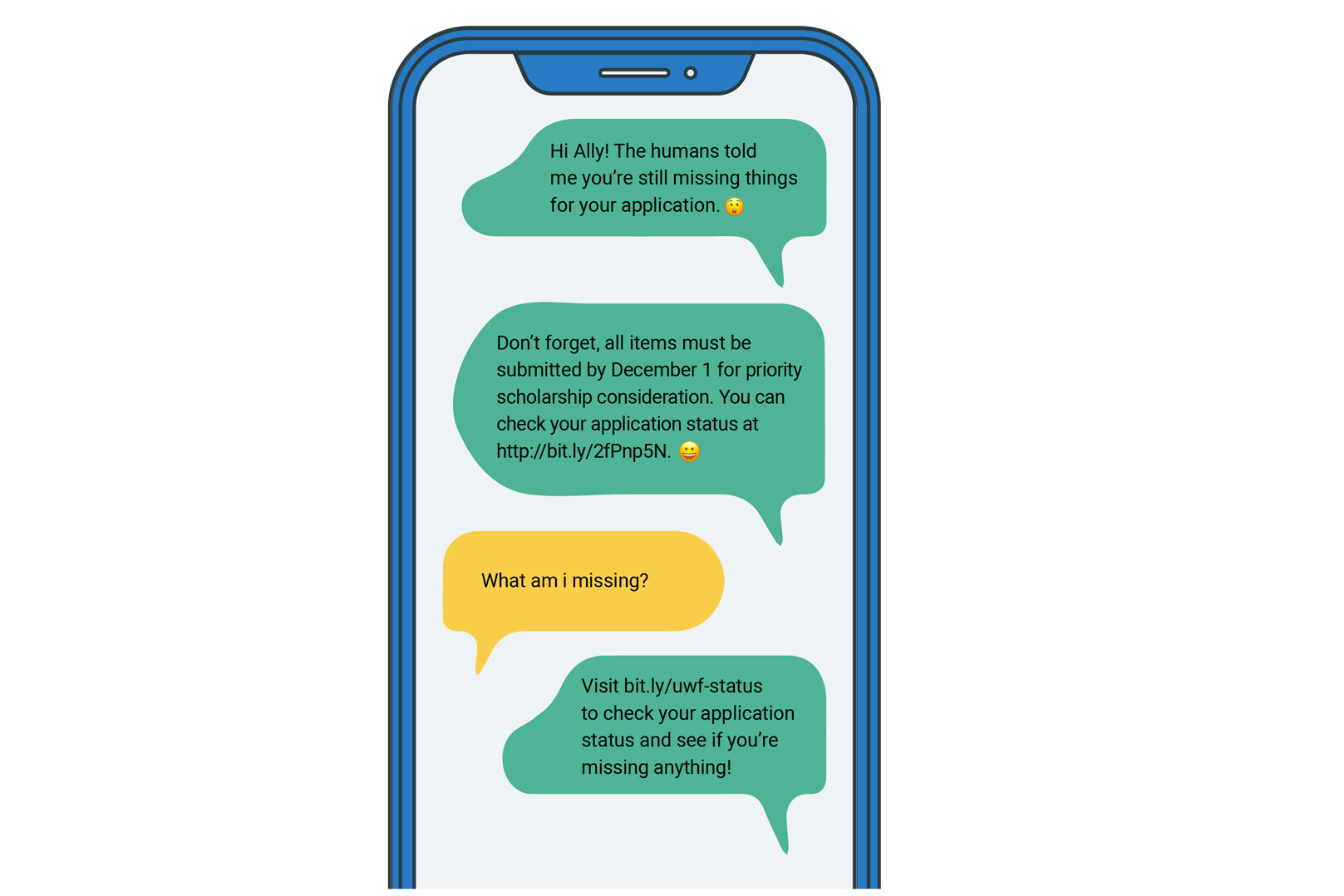
Using Artificial Intelligence to Navigate the New Challenges of College and Career
Even before the outbreak of COVID-19, the path to economic opportunity in the United States has become less clear as workers’ careers have taken increasingly non-traditional routes. Mike Meotti and Drew Magliozzi paint a compelling portrait of how technology can carve new tracks and create new ways of working.
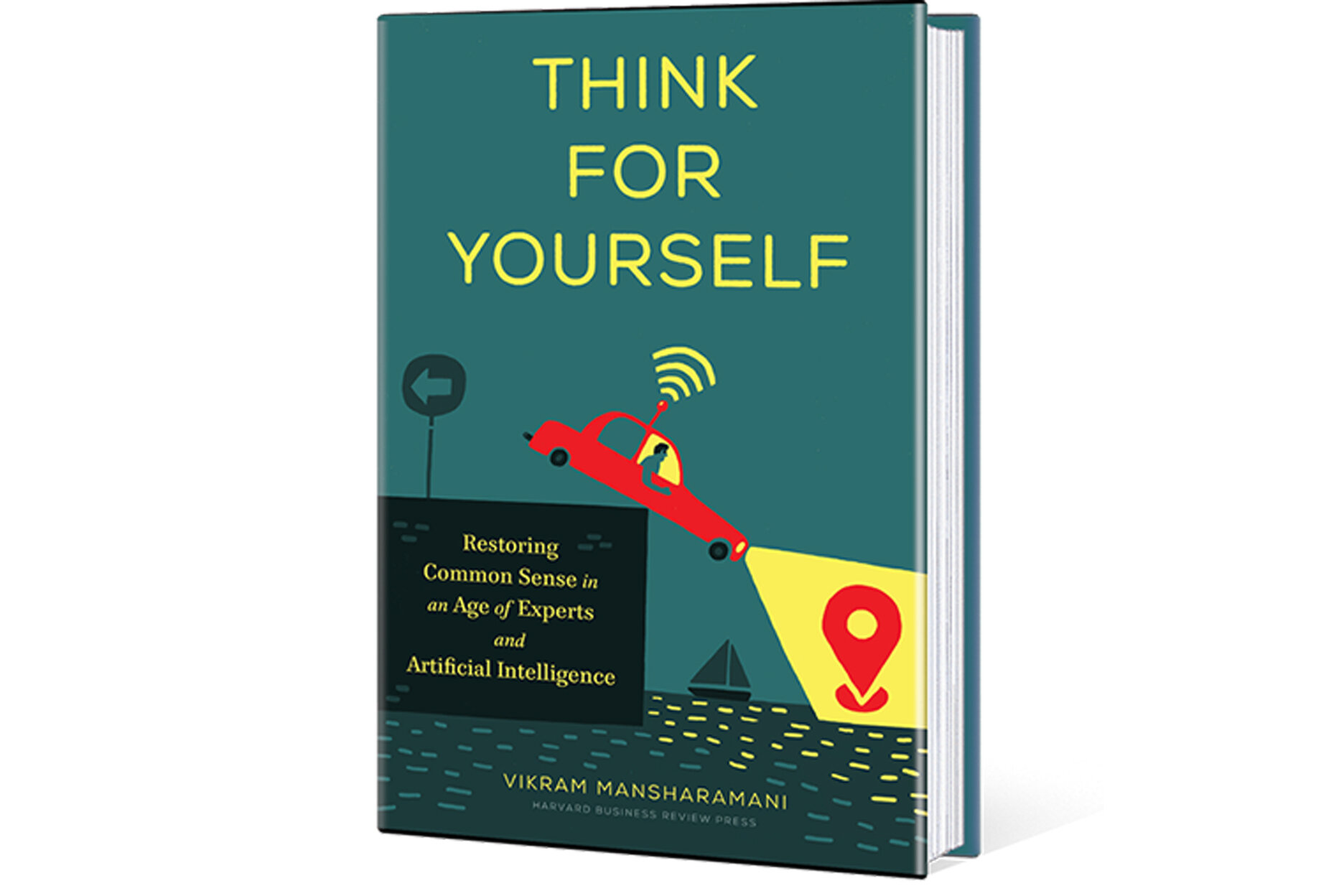
Thinking For Yourself: Intellectual Self Reliance in an Hyper-Connected World
Fundamentally, self-reliance in the twenty-first century is about thinking for yourself and not becoming paralyzed by the data deluge and overwhelming information we suffer through on a daily basis. Vikram Mansharamani discusses ways to harnesses the power of experts and technologies without giving up autonomy.