Rethinking Preparedness in an Age of Emerging Public Health Threats
Q&A with Caitlin Rivers, PhD, MPH
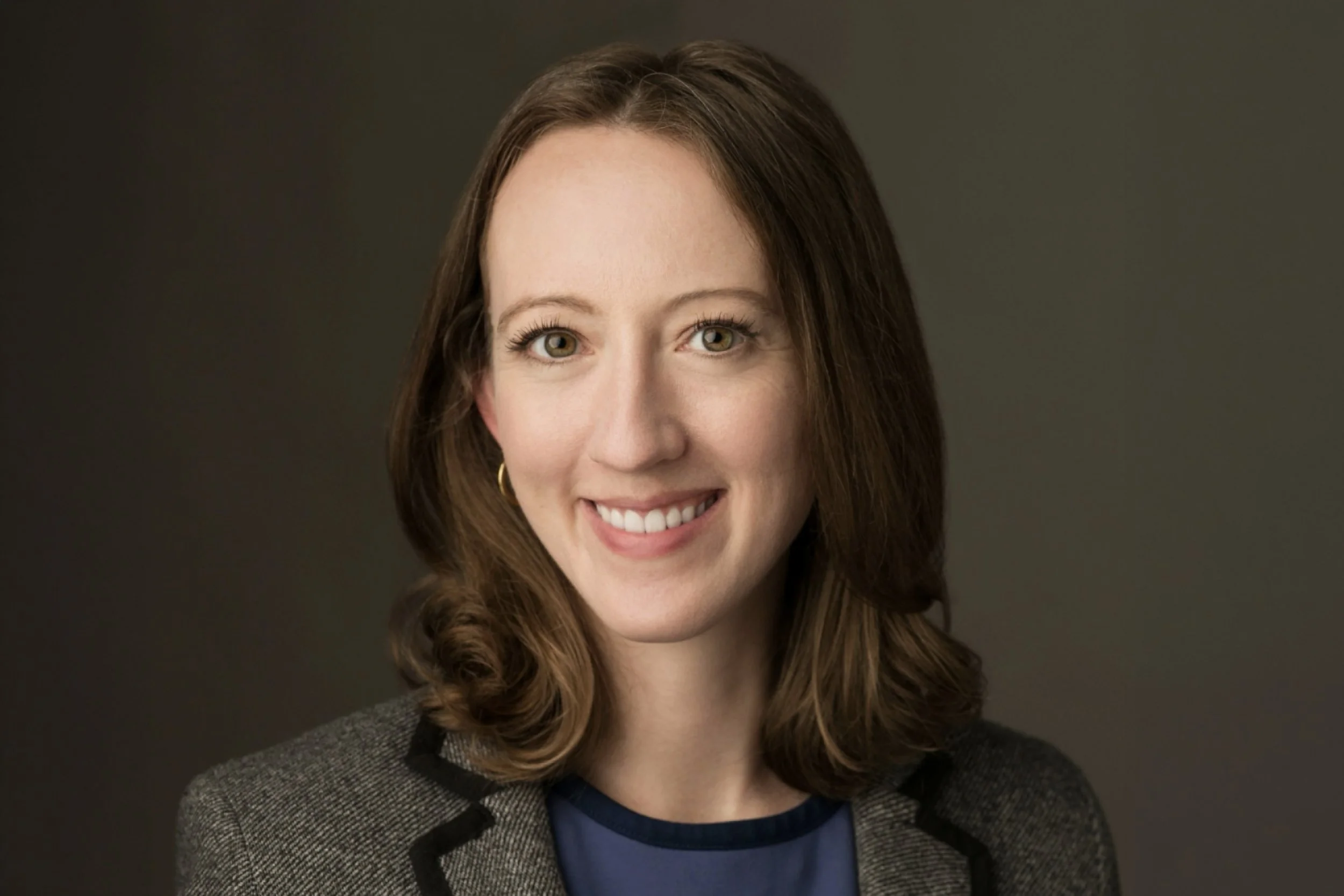
Caitlin Rivers, PhD, MPH, is a nationally recognized epidemiologist specializing in emerging infectious diseases and the modeling and prediction of how outbreaks spread. She is the Director of the Johns Hopkins Center for Outbreak Response Innovation and an Associate Professor at the Johns Hopkins Bloomberg School of Public Health, where her work focuses on improving outbreak preparedness and response.
Dr. Rivers played a prominent role during the COVID-19 pandemic, helping to analyze and communicate patterns of transmission, morbidity, and mortality. She served as a trusted public expert, frequently appearing in national media and testifying before Congress three times. She was also a leading advocate for the creation of the Center for Forecasting and Outbreak Analytics — often described as a “National Weather Service for disease” — and served as its founding Associate Director from 2021 to 2022.
Earlier in her career, Dr. Rivers contributed to research and modeling efforts on global outbreaks including MERS, avian influenza, and the 2015 Ebola epidemic in West Africa, including work with the U.S. Department of Defense. She is a strong proponent of open science and has developed tools and resources to promote transparency and rapid data sharing. She is the author of Crisis Averted: The Hidden Science of Fighting Outbreaks, which highlights the behind-the-scenes work required to detect and mitigate infectious disease threats and underscores the importance of continued investment in global health surveillance.
Matt Nathan: Dr. Rivers, we look forward to a broader discussion of the state-of-the-art for epidemiological intervention in the fight against emerging infections, those that are known pathogens and those that are novel or new. Your body of work, your publications and your book, have made significant contributions to scientists and the public at large in understanding the public health dynamics of these infections. In addition, you have always thought outside the box about non-traditional tools and techniques to add in detecting, mapping, and predicting serious disease impact.
However, we could not resist asking you for a quick take on the current infections making news right now. Given your long-standing advocacy for a systems approach to early detection of emerging infection disease threats, what would you say about the current Ebola situation? This rare virus variant is not sensitive to the vaccine and the WHO is rattled because it developed in so many people, causing many deaths, prior to alarm bells ringing. The Ebola virus is believed to infect with direct contact of bodily fluids from someone symptomatic. Was this undetected initial surge inevitable given the construct of healthcare in the region, or should existing systems have been in place?
Caitlin Rivers: Sooner is always better when it comes to detection. The current outbreak was already large by the time it was discovered, so I fear it may be quite difficult to control. The region is troubled by conflict and poverty, so in that sense it’s not surprising that disease surveillance systems there are strained. The irony is that many, many more resources will be spent controlling this outbreak, not to mention the human suffering, than it would have cost to maintain prevention and detection capabilities. But that’s often how it goes in public health.
Nathan: If Ebola outbreaks were not enough, it seems the hantavirus outbreak on a cruise ship may be the most "triggering" for people given analogies to COVID-19. Hantavirus has been around for ages and to the best of our knowledge infects from direct exposure and inhalation of dust from the waste of infected rodents in areas where they nest. However, this was also person-to-person transmission of the rare variant that can be breathed in from a symptomatic person with close personal and extended contact (though some epidemiologists dispute this requirement). What should public health be doing now to contain this and frame it correctly to the public? Are you satisfied with the institutions and the media information stream?
Rivers: I don't want to call the ball too early, but it does seem as though this outbreak will likely be limited to people who spent time on the cruise ship. There has been no secondary spread, and we are now past the highest risk portion of the incubation period. Although it was not an easy situation to manage, given the complexities of repatriating people from so many countries, I think it was a relatively smooth and effective response.
I am impressed with the way WHO communicated, in particular. They provided frequent updates and realistic information for both the lay public and experts. That was a real highlight, in my opinion. During these high-profile outbreaks, there is sometimes a tendency to either minimize information sharing or stick to falsely reassuring talking points, and I did not see that here.
The outbreak certainly garnered more attention than it would have if it happened 10 years ago. Everyone has now lived through a pandemic. That personal experience lends concreteness to these outbreaks, and so I think people feel the risks more acutely.
Nathan: It is difficult to talk about emerging disease threats without considering potential ramifications of recent funding cuts and response resource withdrawal, especially from the United States over the last year and a half. Some argue the case made for fiscal discipline and sovereignty over where to spend the funds makes sense. Others say there will be a direct correlation for greater threats to the world and United States as a result, including withdrawing from WHO and the dismantling of USAID. From your perspective, and that of your epidemiology colleagues, how significant are these changes in terms of current and future outbreak risk? To what extent do you believe they could affect morbidity, mortality, and global preparedness for emerging infectious diseases?
Rivers: I can understand a desire to reform or even sunset aid programs. Priorities and resources change over time, and no specific commitment is meant to be indefinite. But what transpired was a sudden collapse of load-bearing programs, with seemingly no deliberative process or transition plan. To me, that is the most senseless, even cruel approach. There is no doubt that people will die because of this, they already have, and it certainly raises the risk of emerging disease outbreaks. It’s also worth saying that there are multiple motivations for aid programs, and some of those motivations are because the programs serve our interests. I’m reminded of the parable of Chesterton’s Fence: it’s unwise to remove a fence until you understand the reason why it was erected in the first place.
Nathan: There is a saying among military strategists, “learn lessons from the past but don’t train to fight the last war, prepare for the next one.” Is the world fixated on the COVID-19 issues while new and different agents may blossom and escape detection, diagnosis, and treatment? Do we have the capability of early warning systems that are impervious to whatever mode of transmission or illness occurs? What gaps concern you most, and what should we be doing differently today to better prepare for the infectious disease threats of tomorrow?
Rivers: Detection capabilities aren’t infallible, but I feel pretty good about them. Detecting new outbreaks is not usually the biggest issue. I would say operational issues like mustering resources and gathering enough personnel to staff an effective response are typically a pinch point, and that is not getting better. Funding for public health is constantly either being eroded or under threat, and the workforce is completely exhausted. To extend the military analogy, a common aphorism goes “amateurs talk tactics, professionals talk logistics.”
Nathan: Now for a question on everyone's mind these days (until the next outbreak of something comes along). As an epidemiologist who has devoted a career to understanding, and hopefully detecting and limiting outbreaks, let's put you on the spot. Currently, for this hantavirus strain that is potentially transmissible from person-to- person, do you agree it is highly unlikely for someone not on the original cruise ship to become infected with the steps that are being taken. If so, do we consider that an epidemiological success or simply the natural course of this particular virus?
Rivers: There was not an abundance of data going into this outbreak, so I think “we don’t know” is a fair assessment. Andes Virus has been documented to spread person-to-person, and there are several superspreading events in the scientific record, but there was no reason to believe that is a common or likely occurrence.
That being said, based on the public information available to me, the highest risk event was when a passenger left the ship and collapsed at the airport. That’s a recipe for transmission. When no new cases arose from that event, I became more confident that the outbreak would remain limited. So, we can also update our understanding as the outbreak unfolds, and adjust accordingly
Nathan: Regarding Ebola, which you specifically focused your efforts during the last outbreak in western Africa in 2015, do you believe that the chance of any significant spread beyond the Congo is unlikely given the attention and resources now committed, even though we are chasing the outbreak and are behind? On the one hand, we believe you can only catch the virus from a person who feels or looks sick and then only with direct contamination from bodily fluids. Yet, we live in a global world where not everybody is either self-aware or willing to raise their hand, if they are ill. How worried are you, knowing we contained this last time but the embers of Ebola in certain geographies never go out?
Rivers: The longer I am in this field, the more I appreciate the role of humility. Name a pathogen, and I can probably come up with an outbreak that behaved as an exception to the rule. On one end of the spectrum, the hantavirus outbreak this year was (as of this writing) less extensive than feared. On the other end of the spectrum, neither the 2014-2016 Ebola outbreak in West Africa nor the 2015 MERS outbreak in South Korea were easily foreseen.
Both of those examples involve pathogens that are certainly dangerous but not extraordinarily difficult to control, and yet both grew into sizeable outbreaks. MERS, in particular. was surprising given how strong South Korea’s public health capabilities are. So, you just never know, and as soon as you close your mind off to certain possibilities based on your preconceptions, you’ve put yourself at a big disadvantage.
That being said, it’s clear this outbreak will take a long time to control. The geographic footprint is quite large, it’s in a region with complex constraints, and there have already been several incidents that evidence mistrust, e.g., violence against health workers or people in quarantine or isolation absconding. All of those are complicating factors that will make this a tough situation.
About the Author:

Matt Nathan, MD, is a 2020 Harvard ALI Senior Fellow and Senior Editor for the Social Impact Review. Matt was previously the 37th Surgeon General of the Navy and most recently a Senior Vice President for a large tertiary care healthcare system.
This Q&A has been edited for length and clarity.