
The Freedom We Inherited – and the Responsibility We Share
AMERICA 250:
OPINION COMMENTARY:
As America marks its 250th anniversary, Hon. Vivian Lowery Derryck reflects on a lifetime of public service, civil rights, racial reconciliation, civic engagement, and the shared responsibility of every citizen to strengthen American democracy.

A Pledge Renewed: Courageous Citizenship in the Attention Economy Era
AMERICA 250:
OPINION COMMENTARY:
As America marks 250 years, citizens face an attention economy where outrage is rewarded and visibility often matters more than reflection. Courageous citizenship now means choosing depth over immediacy, truth over amplification, even at real cost. Christy Grace Provines, executive director of The 'MPOWER Project, argues democracy's survival depends on it.

Renewing the American Pledge through Civic Architecture
AMERICA 250:
OPINION COMMENTARY:
Courageous citizenship has never been only a private virtue. It is an institutional achievement, built through associations, churches and schools that turned commitment into public action. Robert Ceresa, Associate Professor of Political Science and Founding Director of the Politics Lab at Huston-Tillotson, traces this history through the Rosenwald schools and offers a framework for rebuilding civic architecture.

Civic Prosperity at 250: From Sacred Honor to Shared Flourishing
AMERICA 250:
OPINION COMMENTARY:
As America marks 250 years, Sanda Balaban, Executive Director of Project Pericles, argues that democracy's future depends less on heroic acts and more on everyday courage. Her essay makes the case for building "civic prosperity" into how colleges educate citizens.
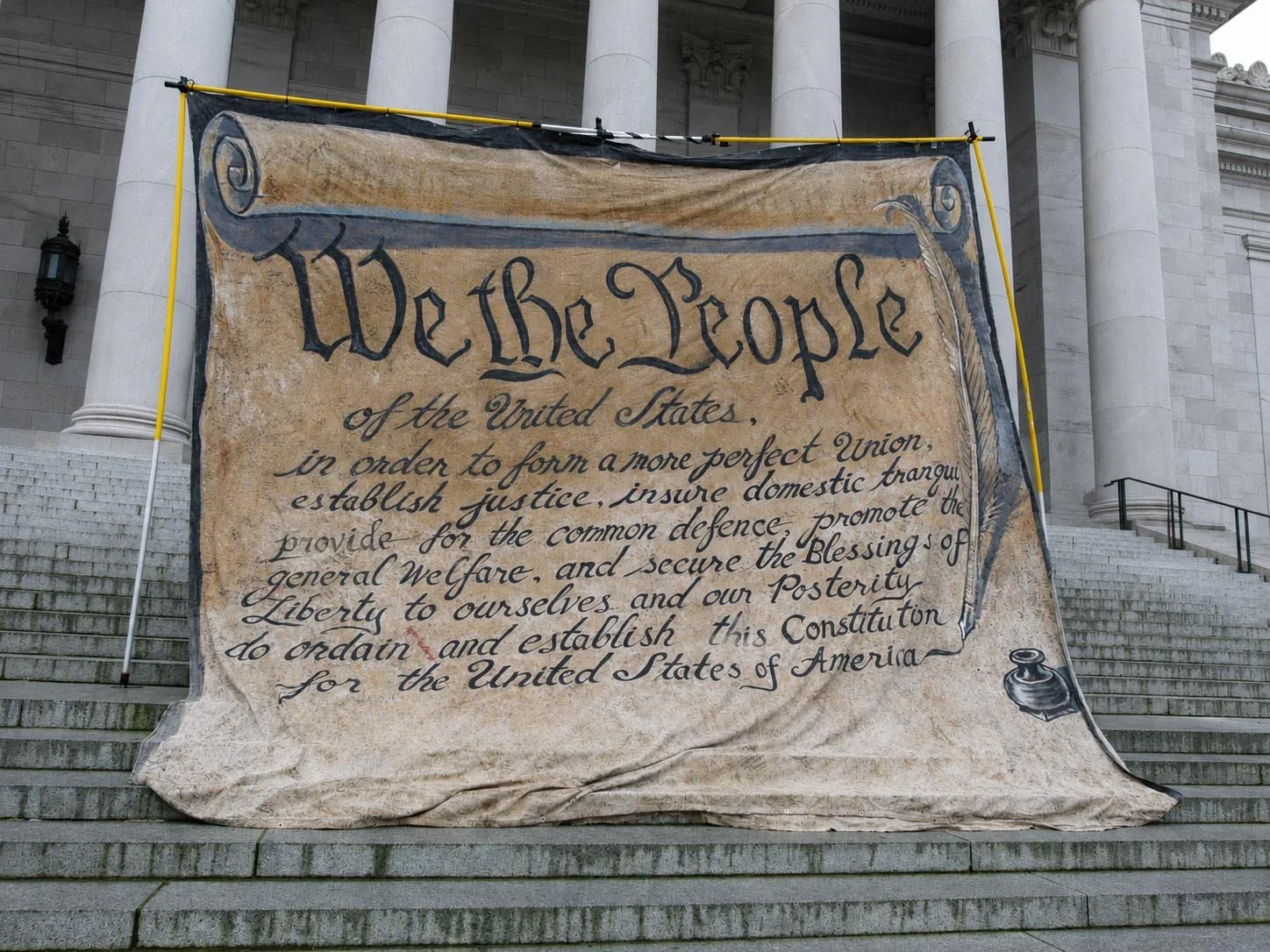
We the People Too: Reclaiming a Promise for America’s Next 250 Years
AMERICA 250:
OPINION COMMENTARY:
Demar Goodman, rising senior at American University and student leader, delivers a powerful reflection on “We the People” and its unfinished promise. Drawing on history, identity, and lived experience, Demar challenges us to turn words into action for the next 250 years and beyond.
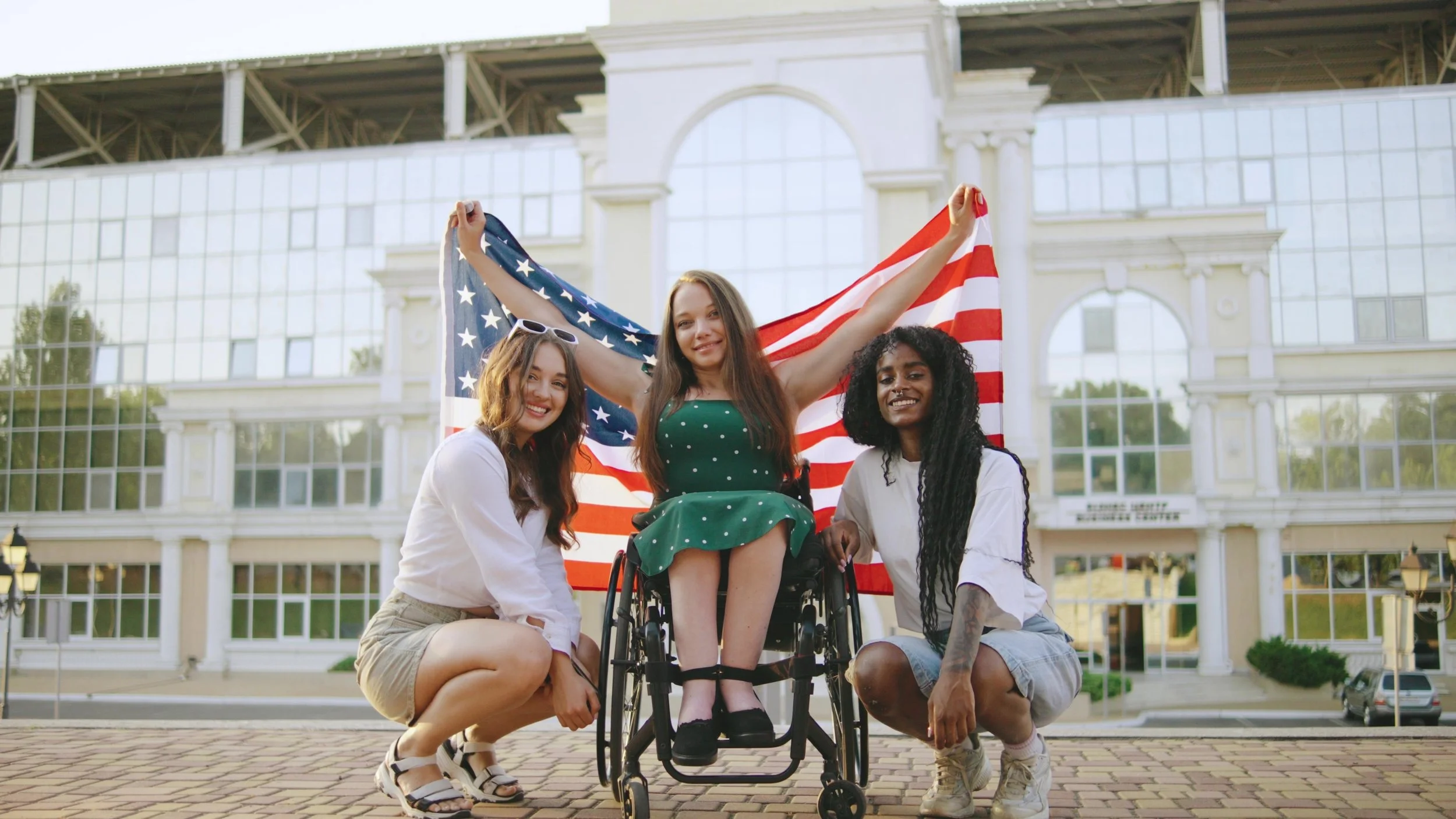
We the People Reimagined: Disability Justice and the Power of Collective Voice Today
AMERICA 250:
OPINION COMMENTARY:
Anja Herrman, disabled writer, researcher, and disability rights advocate, shares a powerful reflection on activism, community, and civic change. Drawing from her experience as a student leader and advocate, she redefines “We the People” as a call to listen, collaborate, and build a more inclusive democracy together.

The American Dream, Higher Education, and the Work of Economic Mobility
AMERICA 250:
OPINION COMMENTARY:
Elson Nash, an education and social impact leader, Senior Fellow at Blue Meridian Partners, and By All Means Senior Fellow at The EdRedesign Lab at Harvard, reflects on how hidden barriers in higher education shape who has a real shot at opportunity and what it will take to ensure the American Dream delivers across generations through access, support, and system-level change.
The American Dream Is the Freedom to Leave — and the Responsibility to Return
AMERICA 250:
OPINION COMMENTARY:
Rey Saldaña, President and CEO of Communities In Schools and By All Means Senior Fellow at The EdRedesign Lab at Harvard, reflects on how his immigrant father’s sacrifices shaped his understanding of the American Dream — and why true opportunity depends not just on individual grit, but on the systems and supports that help young people succeed and stay connected to their communities.

The American Dream Shouldn’t Depend on Your Zip Code
AMERICA 250:
OPINION COMMENTARY:
Christian Rhodes, Chief National Impact Officer at Harlem Children’s Zone and By All Means Senior Fellow at The EdRedesign Lab at Harvard, reflects on a hard truth: in America, a child’s future is still too often determined by their zip code. Drawing from personal experience and national leadership, he calls for bold, place-based solutions that align systems and expand opportunity for every child.
Who Gets to Dream? What My Parents, a Library, and Two Sons Taught Me About Opportunity in America
AMERICA 250:
OPINION COMMENTARY:
In this powerful reflection, Dreama Gentry, Founder & CEO of Partners for Rural Impact and By All Means Senior Fellow at The EdRedesign Lab at Harvard Graduate School of Education, explores how place shapes possibility — and why expanding opportunity for rural youth is essential to the American Dream. A moving call to ensure every child can dream beyond the limits of geography.

The American Dream Begins with Flourishing Children
AMERICA 250:
OPINION COMMENTARY:
Sondra Samuels, President & CEO of Northside Achievement Zone and By All Means Senior Fellow at The EdRedesign Lab at Harvard, knows firsthand what it means to be underestimated. Drawing from her own story and decades of community leadership, she argues that closing the education gap isn't just a moral imperative — it's the essential work of sustaining American democracy.
American Children are Falling Out of Love with History – Here’s How to Bring Them Back
AMERICA 250:
OPINION COMMENTARY:
As our nation marks its 250th anniversary, a troubling trend is emerging: children are losing their connection to history. In this compelling op-ed, Rob Waldron, former CEO of Curriculum Associates and a leader in civic education, explores how innovation, technology, and community action can reignite historical curiosity and strengthen democracy.

Accounting Ethics, Professional Identity, and the Public Interest
Professor Megan Hess of Washington and Lee University explores the recent wave of accounting ethics scandals and asks a deeper question: has the profession lost its moral foundation? Her argument points to professional identity as a critical path to rebuilding trust.
Music, Protest, and the Power of Collective Voice
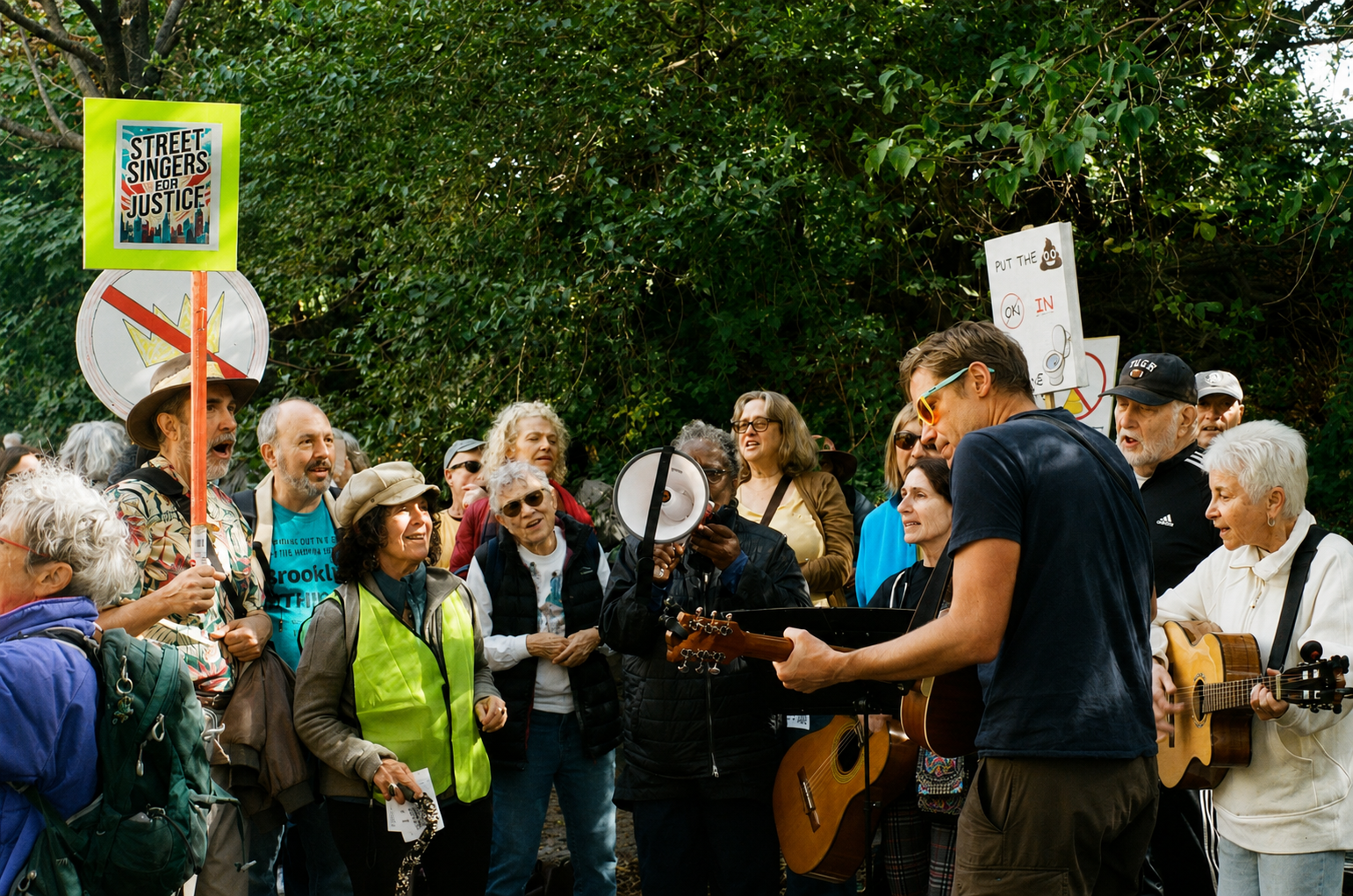
What gives music the power to move people from witness to action? Sociologist Ronald Eyerman reflects on protest songs, political memory, collective identity, and the enduring role of artists from Joe Hill to Bruce Springsteen in conversation with John Carroll (ALI ‘21).
When Courts Are Attacked, Democracy Is at Risk
OPINION COMMENTARY:
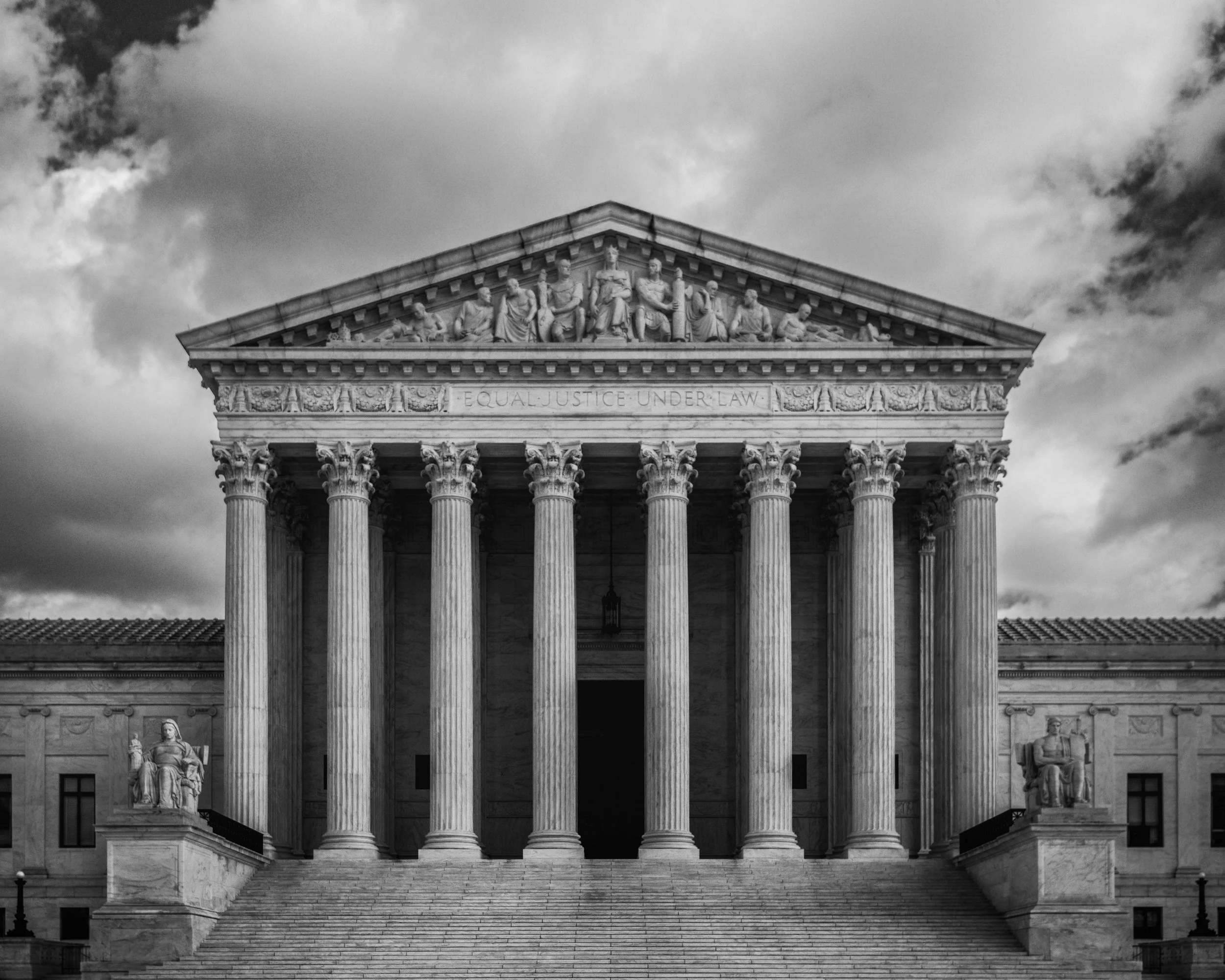
Drawing on his experience as former Chief Justice of the Texas Supreme Court, Thomas Phillips examines rising attacks on the judiciary in an era of political polarization. Cautioning against partisan assaults on judicial decisions and increased initiatives to change the way judges are selected and retained, he argues that safeguarding judicial independence is essential to preserving the rule of law.

Power Is Shared: Organizing Community, Protecting Democracy, Reclaiming Our Humanity
What does it take to build power in communities long excluded from it? LaTosha Brown, co-founder of Black Voters Matter Fund, reflects on grassroots organizing, voting rights, belonging, and why lasting democratic change begins with activating people’s sense of agency in conversation with Carmel Shields (ALI ‘23).
How Consensus Choice Voting Could Strengthen U.S. Democracy
OPINION COMMENTARY:
As polarization deepens, U.S. electoral systems result in the election of candidates who are not representative of a broad swath of their constituents. In this opinion commentary, election law scholar Edward Foley explains how partisan primaries sideline broadly preferred candidates and how all-candidate nonpartisan primaries and a consensus-based voting system for general elections could reduce polarization and strengthen democratic representation.

Why Peace in Sudan Matters for Security and Global Food Supply
OPINION COMMENTARY:
Sudan’s war is often seen through a humanitarian lens, yet its resolution has vast global implications. Drawing on over 30 years of crisis leadership, former UN Assistant Secretary‑General Amin Awad (ALI ’20) reflects on why peace in Sudan matters far beyond its borders.
Boosting Electoral Participation: Mobile Voting as a Tool for Citizen Engagement
As voter turnout remains low and trust in democratic institutions weakens, mobile voting has emerged as a potential pathway to broader civic participation. ALI Fellows Sandra Kresch ’21 and Anthony Mohr ’21 explore the promise, security, and political realities of mobile voting in conversation with Linda Rebrovick (ALI ‘21) and Bradley Tusk.
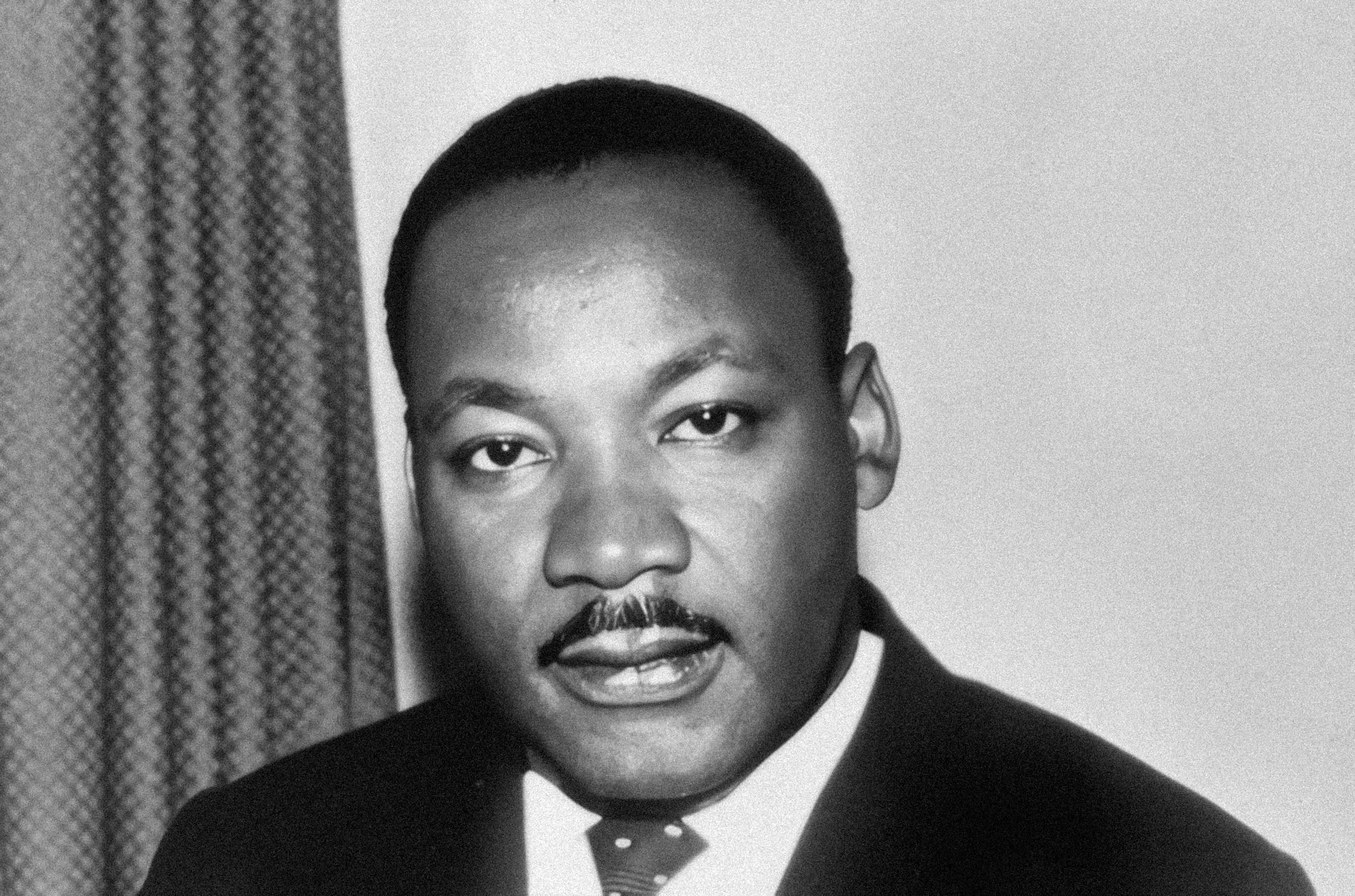
Revisiting Dr. King’s “Letter from Birmingham Jail”: A Moral Reckoning for 2026
OPINION COMMENTARY:
Drawing on decades of social justice leadership, Peter Williams (ALI ‘21) examines the enduring relevance of Dr. Martin Luther King Jr.’s “Letter from a Birmingham Jail” in 2026. From voting rights restrictions to widening inequity, he argues that American democracy faces a defining moral crossroads demanding urgent action.