
Let’s Give Underserved Kids A Chance to Literally Invest in Their Future
OPINION COMMENTARY:
One driver of the wealth gap in America is that households of people of color are less likely to own stock. Anthony Mohr, a 2021 ALI Fellow, says we should give students real shares to cultivate their interest in investing and creating wealth.
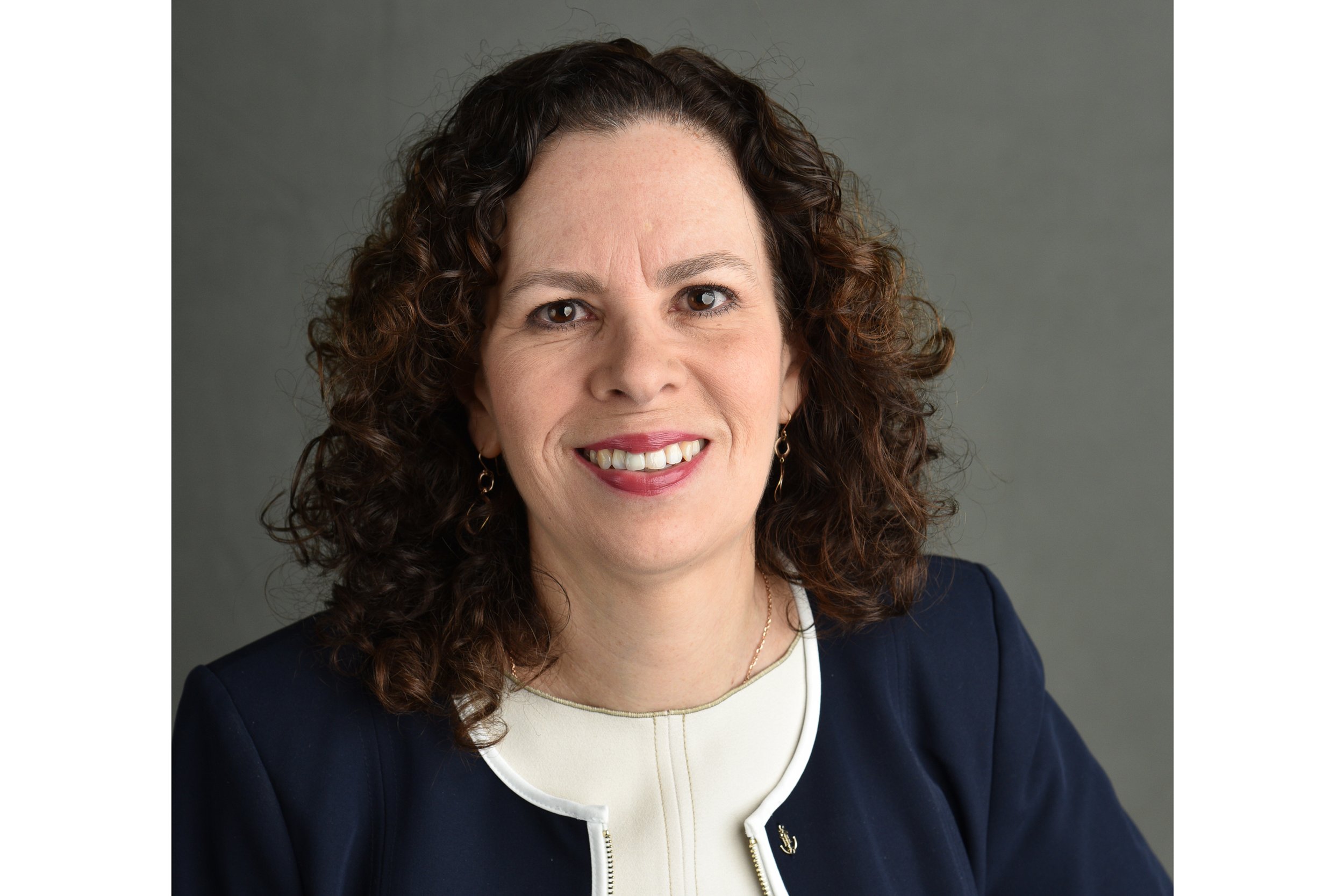
The Importance of the Latino Community in the United States
SHAPING AND EMPOWERING THE FUTURE OF LATINOS IN THE U.S. SERIES:
For over 50 years, UnidosUS has addressed the social, economic, and political issues facing Latinos in the U.S. through advocacy, programs, and partnerships. Sonia Pérez, COO of UnidosUS, discusses their work and the current issues affecting Latinos, a growing demographic now comprising 62 million people and almost 20% of the U.S. population.

Bringing Visibility to Migrant Workers and the Latinx Communities
SHAPING AND EMPOWERING THE FUTURE OF LATINOS IN THE U.S. SERIES:
The daughter of migrant farmworkers, activist, and change-agent, Mónica Rámirez shares her work on bringing visibility to and advocating for the largely unseen migrant worker community. Ramirez’s impact includes authoring influential pieces including the “Dear Sisters” letter from the voice of women farmworkers standing in solidarity with women in Hollywood, which sparked the TIME’S UP movement.

Creating Networks and Partnerships to Amplify Latinos in Massachusetts
SHAPING AND EMPOWERING THE FUTURE OF LATINOS IN THE U.S. SERIES:
By activating networks and collaborative partnerships, Amplify Latinx is building economic and political power for the Latino community in Massachusetts. Co-founder Betty Francisco presents their model on increasing Latinx civic engagement, supporting Latino-owned businesses, and driving leadership representation across sectors.

The Labor Movement is Bubbling Across the Country - Every American Must Support the Cause
OPINION COMMENTARY:
The COVID-19 pandemic served as a catalyst for a revived labor movement that looks drastically different from the stereotype of white men working in a factory. Americans who want all workers to live a life of dignity must get involved.

Civilla: Tackling Complex Problems with Common Sense and Efficient Solutions for the Future
Michael Brennan and Adam Selzer, co-founders of Civilla, discuss the importance of embedding human-centered design from concept to implementation to address the process and system challenges plaguing our public-serving institutions.

Measure What Really Matters: Accounting for Company ESG Impacts
Professor George Serafeim discusses the latest news of the Harvard Business School Impact-Weighted Accounts Project, an initiative that will mark a critical turning point for capitalism as we know it. The goal is to enhance Milton Friedman’s ‘fair rules of the game’ by fixing one of the most significant deficiencies of modern-day capitalism: social and environmental externalities.

Succeeding in the House
Former Congresswoman Jane Harman discusses what it takes to win a seat in the House and pass bipartisan legislation. The job requires hard work, authenticity, and collegiality.

Strengthening School Boards on the Front Lines of the Culture Wars
Polarized politics have infected local school boards, which have historically been nonpartisan. With school boards now on the front lines of the culture wars, Andrea Gabor outlines steps to strengthen school boards to function effectively given the mounting pressures facing them.

Baltimore City Schools’ Blueprint for Success
TRANSFORMING CITIES SERIES:
Baltimore City Schools (BCS) has adopted an ambitious agenda to transform the city’s schools. Dr. Sonja Santelises, CEO of Baltimore City Schools, discusses the pillars of BCS’s Blueprint for Success, her belief that excellence in urban education is possible at scale, and the importance of leadership for the adults and students in the school system and the community.

The Critical Element of Trust Between the Police and the Community
TRANSFORMING CITIES SERIES:
Resilient, sustainable cities require law enforcement officers who are not only well-trained, but also deserve the confidence of people they serve. Gerald Chaleff has devoted over two decades to this subject, overseeing reform measures and consulting on constitutional policing issues.

Escaping Infrastructure’s Shadow Puppets: Lessons From Equitably Repurposing Public Spaces
TRANSFORMING CITIES SERIES:
Failing to apply a rubric for social impact, government-funded infrastructure has been culpable for legacies of segregating communities, spurring blight or displacement, and devastating natural environments. Daniel Balmori discusses how innovative efforts to reimagine underutilized public spaces -- including prior infrastructure follies -- have demonstrated that, deployed thoughtfully and with a lens toward equity, infrastructure improvements have the potential to positively transform the quality of life for entire communities, catalyze economic opportunities, and make environments more resilient.

Reconnecting What Freeways Severed: Addressing the Historical Toll on Communities Split by Highways
TRANSFORMING CITIES SERIES:
Planners and engineers in the 50's and 60's often built freeways directly through African American communities, severing neighborhoods and dismantling small businesses in the way. Sally Bagshaw, Scott Bonjukian, John Feit, and other advocates and government leaders are now speaking out against these 70-year-old road design practices, offering solutions to restore and reconnect neighborhoods.

Mitigating Climate Change in Cities Requires More Than Planting Trees
TRANSFORMING CITIES SERIES:
OPINION COMMENTARY:
Urban greenery can help create more resilient cities -- but only if residents are engaged in the process. Professor John Wilson, working at the intersection of sociology, environmental science and technology calls for an all-hands approach.

Time to Hear from American Youth on Issues That Affect Their Future
OPINION COMMENTARY:
Starting in 1909, and every 10 years until 1971, the White House convened delegates from across the country and put them to work on the most pressing problems facing the nation’s children and youth. Anthony Mohr discusses reviving the White House Conference on Children and Youth to address urgent issues that will impact the young.

How Should States and Districts Spend Federal K-12 School Funding Relief Effectively and Equitably?
Thomas Toch, the director of FutureEd, discusses federal COVID-recovery relief for K-12 education, how states and districts can and should use the funds to address the needs of students effectively and equitably, and bold policy initiatives to address some of education’s most pressing problems.

Historical Context and an Urgent Call-to-Action for African American Reparations
REPARATIONS SERIES:
It's important to appreciate slavery and the reparations debate, not merely in terms of the deprivation of African Americans, but the degree to which America has been enriched by the presence of Black people. As Harvard Kennedy School Professor Cornell William Brooks discusses, part of the problem today is that people do not know the stories of the people next to them. We should have real conversations about our history.

The Greenwood Race Massacre
REPARATIONS SERIES:
On the 100th anniversary of the horrific Tulsa race massacre, Representative Regina Goodwin, a direct descendant of survivors who now represents the district in the Oklahoma legislature, offers a unique and particularly compelling case for reparations.

Reparations and Local Community Action
REPARATIONS SERIES:
No city alone has the ability or the capacity to right all the wrongs of the past. But Providence Mayor Jorge Elorza suggests that cities are leading the way across the country in tackling racial injustice and anti-Blackness, including through his city's truth-telling, reconciliation and municipal reparations process.

Facing the Mountain, Facing the Truth: An Historical Look at Internment of Japanese Americans and Reparations
REPARATIONS SERIES:
Reparations are not new in this country. Forty years after stripping Japanese Americans of their homes, businesses, property and dignity, the U.S. government paid survivors $20,000 and issued a formal apology. Author Daniel James Brown explores what we can learn from the Japanese-American experience.