Q&A with Skye Perryman
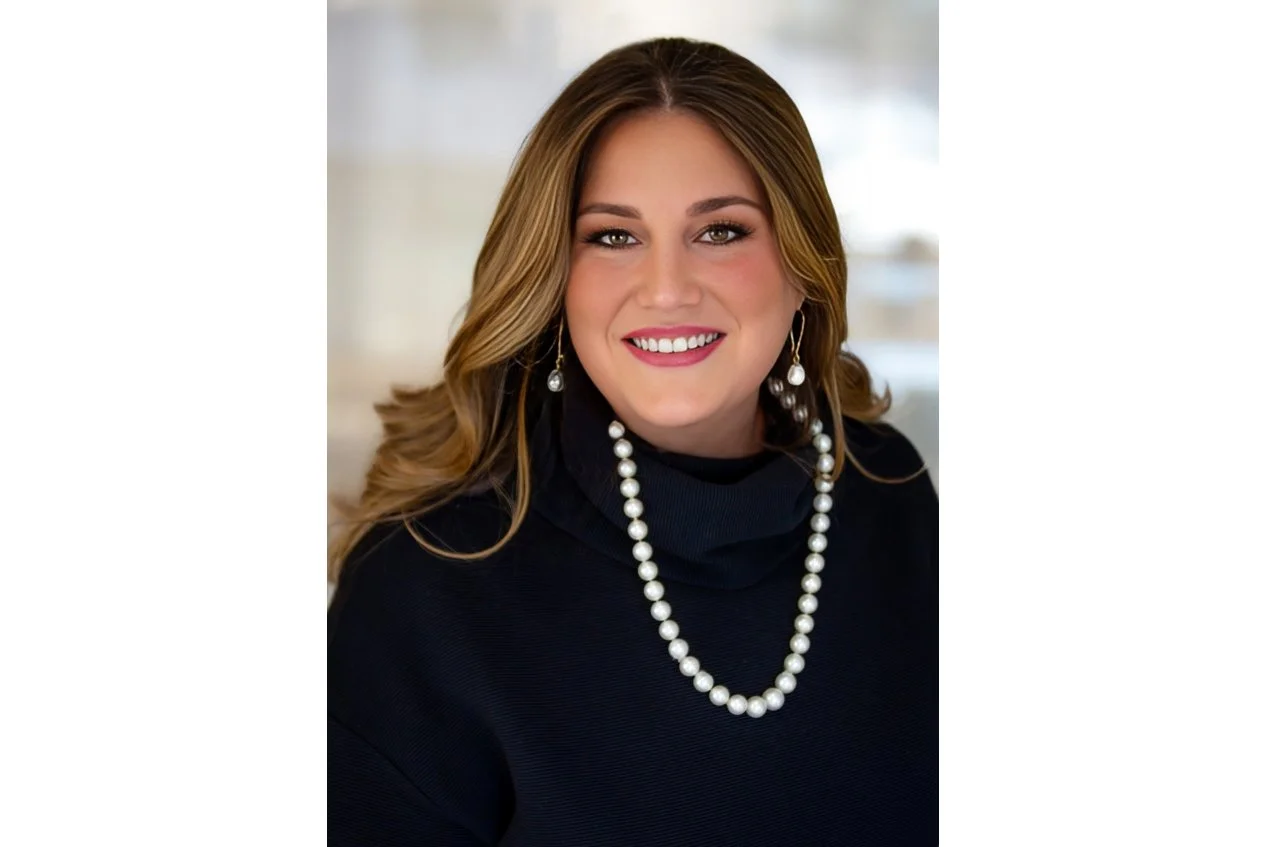
Skye Perryman is the President and CEO of Democracy Forward, a national legal organization that advances democracy and progress in the courts. Named one of TIME’s 100 Most Influential People in the World, she is a leader in the largest affirmative litigation effort against executive branch overreach in United States history. Known for blending legal expertise with accessible, inspiring storytelling, she is a frequent commentator on NBC, MSNBC, CNN, and NPR, and her work has been featured in The New York Times, The Washington Post, The Atlantic, TIME, and Newsweek. A proud product of K–12 public schools in Waco, Texas, she holds degrees from Baylor University and Georgetown University Law Center.
Carmel Shields: Democracy Forward has brought or joined more than 150 legal actions to protect people and communities, with a remarkable record in court. What is the organization's theory of change, and how do we see this implemented in and out of court?
Skye Perryman: Our theory of change is about people utilizing the power they have to craft and control their present and their future, to ensure the people and democracy thrive. The courts in our system are not just an institution of and for the people. They are an incredible tool the people have to defend themselves, to require transparency, to ask questions, and fundamentally to protect their rights.
The Constitution is not self-executing. It must be defended by people and the way we defend our Constitution and the way we activate our Constitution is through the legal process.
One of the major efforts Democracy Forward does is provide legal assistance, nonpartisan pro bono legal assistance to people and communities across the country in defense of their rights, because that is the way that we activate and defend our Constitution.
We also know, however, that the courts are not the only guardrail, and the courts are not the only tool that people have. As an organization, we have invested in and work with communities across the country to help people use the power they have in expressing themselves, nonviolently organizing and finding courage in their communities.
We also do a lot of work with large civic institutions such as public health, the medical community, the legal profession and higher education, that are important in this time. These are sectors and institutions that need to show institutional courage, to operate consistent with their values and the best values of our country. There are headwinds seeking to separate people and institutions from their values, and we do a lot of work to help build both personal and institutional courage and reclaim our collective power. That is through gathering people, creating new coalitions and creating new opportunities for people to build community together, so they don't have to face these headwinds alone.
Shields: As CEO and President of Democracy Forward, a leader of the largest affirmative litigation effort against executive overreach, and author of the recently released Ordinary People, Extraordinary Times: How to Reclaim Your Power, Fight for Freedom, and Reimagine Democracy, please tell us why this is the moment for action?
Perryman: There is no doubt that American democracy and the overall democratic experiment is in crisis. We know the United States was added to a list of global backsliding democracies in 2021. The backslide is accelerating, and what we know about backsliding democracies is it takes a complete societal effort to course correct, to reimagine and build something that serves all people. This is the moment to do that. Yes, this is a crisis, and it can catalyze real change. The institutions in our nation that were set up to prevent this type of backslide have failed in preventing it. They're important institutions. But these institutions are not delivering the protection for democracy that they should. When institutions fail or when institutions are weakened, it must be the people that step in. Democracy Forward is in the courts every day and witnesses the importance of the rule of law, the importance of checks and balances. The major check, as we know, is the people and it is people actively engaging in their futures. This is the moment, an amazing opportunity to achieve positive change.
Shields: You have led this organization by defining and effectively implementing its strategy under a great many external pressures. What leadership lessons have you learned from organizing, litigating, and defending democratic institutions that we can adapt to our own work?
Perryman: One is the importance of community and collaboration. This is not work that a single lawyer, or single organization or institution can do alone. The heroes here are everyone working together. Though I emphasize the importance of collaborating and building community, it is important to understand collaboration doesn't mean agreeing on every single issue. It does mean looking for places of common interest and finding ways that new communities and new institutions can work together. This has been a major key to our success.
I will add the importance of resilience. This is a time and a fight that is not going away anytime soon. Yes, we are in an extraordinary time, but we're in an extraordinary era. One or two election cycles, one Supreme Court decision, one piece of legislation, one constitutional amendment is not going to be the silver bullet. This work is a long-term endeavor, and its success depends on strengthening the resilience of the people and communities who carry it out. What does that look like? It is understanding that you must take a relay approach to this work. When you are tired, you must rest. Not quit but pass the baton. You must be able to turn to joy when it's available.
Third, is courage, a word used often today because there's a great deal of fear. When there is fear, one of the decisions that people and institutions can make in the face of fear is to choose courage. Courage is not a knight in shining armor riding in. It is often a person quaking in their boots trying to find the courage in their own person or in their own institution to do that which they know is right but may have consequences. The leadership lesson is to build organizations and systems and communities that help us produce the institutional courage where operating with courage becomes natural.
I'll also say in terms of leadership, we expect excellence, but not perfection. This is hard work and you're not going to be able to be perfect in all the work and you shouldn't let a fear of failure to deliver stop you from acting. Excellence is critical, and I am so impressed with our team and the work that we do in the courts is excellent legal work. We don't compromise our values around excellence and that has been important for our credibility. I suggest you lead with integrity and strive for excellence.
Shields: You argue that democracy is built between elections not decided by them. Why is this the case, and what does American history teach us about ordinary people creating extraordinary change?
Perryman: The entire history of American democracy and, if you look at social change movements throughout the world, is about people that work together to demand great change. Politicians and institutions never seek bold change on their own. We can look at the Civil War era and even a president such as Lincoln had to be pushed by the people. In his 1861 Inaugural Address appeal to “…the better angels of our nature” was not a call to courageously abolish slavery. It was an appeal of hope to avert civil war. It was the people, abolitionists and leaders that pushed the issue before the president. Americans hold up Abraham Lincoln as an example of the kind of leader we want and even those leaders must be pushed. When I say that democracy is not decided on a single election day, it happens in the day-to-day work of the people who organize, who engage, who dream and see a future that isn't like the present and demand change. If we look at social movements, we see it was people that pushed. At this current time there is a lot of concern about the Supreme Court. If you go back through history, there's been very few eras where the Supreme Court was in step with where the people were with respect to creating what I refer to as a democracy available to all.
The other piece is that we've seen a decline in civic engagement. It's no coincidence that we're also experiencing democratic backsliding. The systems and structures of our country aren't perfect, and they weren't designed at the time to include everybody in a democracy. Our work, the work of American democracy, has been people pushing and demanding and fighting for rights and inclusion for all people in our democracy.
The solutions that we need in this moment are not going to be solved by just one political cycle because we have certain systems and structures that need to be designed in a way where our country and our democracy can truly serve all people, not just some people. The work of the last 250 years is work that remains urgent and cannot be achieved in one election cycle.
Shields: On Interstate 49 in southern Missouri, I passed a roadside sign asking drivers a blunt question: “Tariffs, Data Centers, Corruption: Exhausted?” For many people, the answer is yes. The steady stream of attacks, and the constant need to respond, has left them civically worn out. So how do we stay engaged in difficult times, and what role does community play?
Perryman: Exhaustion is a tool that anti-democratic actors use to get people to give up or to become resigned to a way of being or to their way. Right now, certain people leading the country seek to create a situation where there's a crisis or outrage of the day that you can't even get your wits about you to be able to act.
We are being made exhausted in an intentional way. We must explore what we do in response. We've seen many people confuse consuming the events of the day and the daily news with addressing the issue. In a cycle where you're constantly taking in all the confusion and outrage, you may be sleepwalking through the chaos rather than helping to move out of that moment.
One of the tools that autocratic actors use is to make you feel alone because it's very hard to act when you feel alone and unsupported. Action is the antidote. The actual response looks different for different people and different communities depending on their circumstances. Working with and building community allows you to be in touch with humanity. History reminds us we are part of a long tradition of people who did the right thing against all odds and did far more with far less than what we're being asked to do today.
Shields: Many Americans have family, colleagues, or neighbors who support this administration. How can we have difficult conversations across differences?
Perryman: Extreme movements and the president and his allies, want to claim the country is hopelessly polarized because if you believe that we're divided, then you can fall prey to the divide-and-conquer mentality. Instead of working together to solve common problems or hold governmental actors accountable, we're focused on fighting our neighbor or fighting the community across the street. We’ve seen the divide-and-conquer strategy deployed throughout the world, past and present, in Hungary when Viktor Orbán targeted the LGBTQ community, Putin in Russia, and in the Jim Crow South. There are a lot of myths, misinformation, and disinformation to try to have you blame groups or individuals, immigrants, people of color, for our personal and societal problems. I also know there is deep fear concerning economic opportunity. Those fears are real, and we should hold our government and systems accountable.
Our work as individuals is to bust the myth that we are so polarized that no common ground can be found. We can do this in our interactions with each other by listening without trying to convince, persuade, or argue. We know the vast majority of people agree on many issues. Though there are some who are hateful, we also know they are not the majority. In these instances, I say don’t engage because you need to protect your peace and your spirit and focus time on hearing those with whom we can build bonds. We can create a democratic community in our country that agrees to disagree while we work toward agreement on certain basic things. At Democracy Forward we have an initiative called We Hold These Truths where people from all parts of the political spectrum come together to share principles and civic values ranging from voting to personal liberty and equality and can agree on the rule of law.
Ordinary people have an incredible role because it’s people interfacing with their neighbors who can break down the narrative of polarization. It's up to all of us to bust the myth.
Shields: If our readers do one thing today, what should that be?
Perryman: Local community engagement, whatever that means to a particular person, is a place where we can all make a difference by making your public library your business, showing up at a community event, and understanding what your neighbors’ needs are. Many communities offer online opportunities to fact-check accurate information and citizen journalism, and the capturing of the experiences of people helps build more informed communities. There are multiple opportunities depending on skill set and interest.
Pre-election we need everyone to vote. Early if you can. If you can't vote early, vote on election day. We need you to encourage your communities to vote. That is not my answer every day of the year, but we are in this election cycle. To be more engaged look to ordinarypeopleaction.com for resources and select one thing that fits with where you are in your life. Ask yourself what kind of resources you have – time, social networks, or a community where people don't always agree that you can model some of these behaviors. Choose the one that works for you and over time move deeper into the work and the resources.
We are at a moment in time where it's not just going to be the lawyers, the politicians or the policymakers who will protect our democracy. It is going to be the people who demand that our institutions and our courts do the work to protect people and democracy.
About the Author:
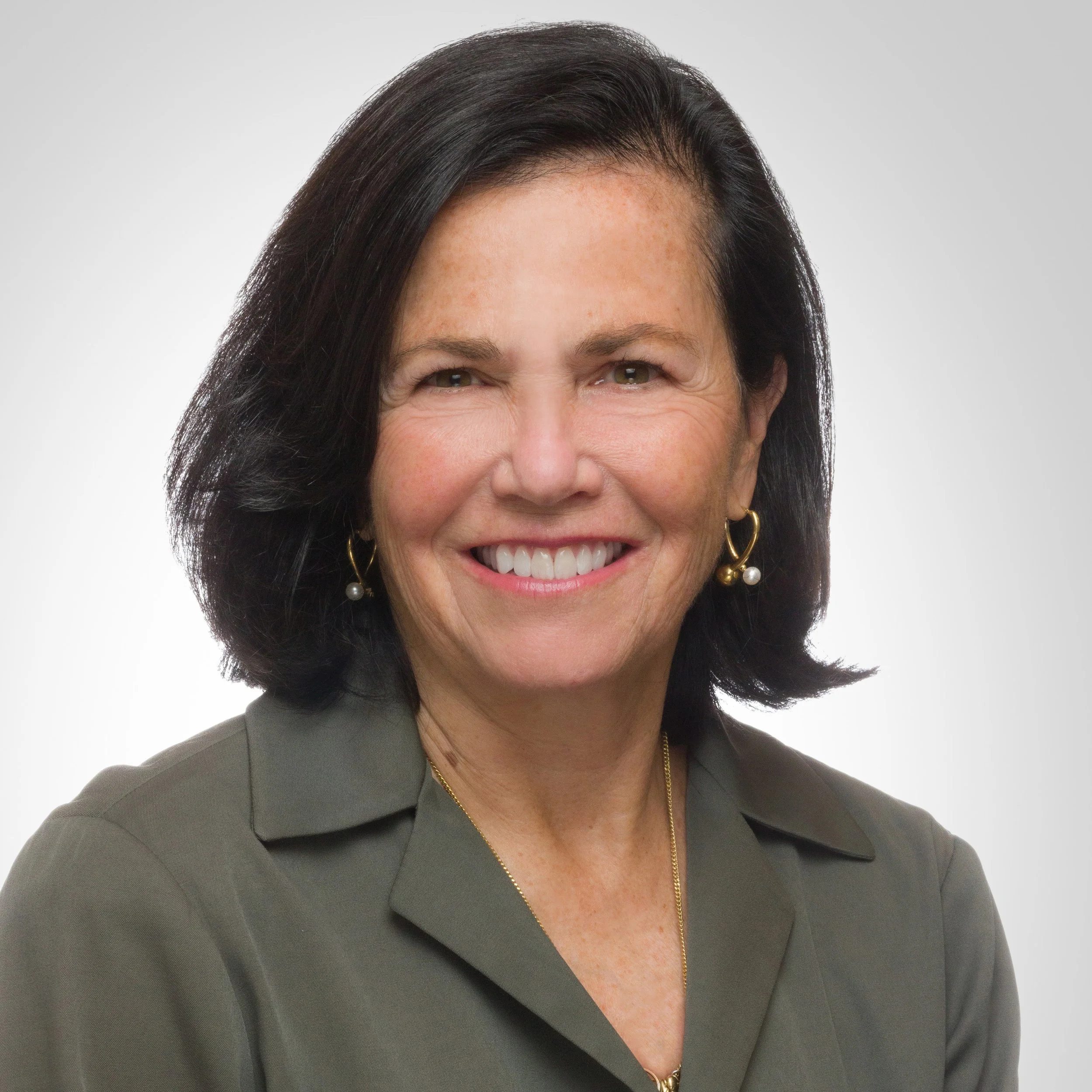
Carmel Shields is a 2023 Harvard ALI Fellow, founder of healthlitpro.com, and principal of Shields Health, where she helped scale one of New England’s largest networks of medical imaging and ambulatory surgery facilities. She currently serves on the Health Policy and Management Council, Harvard T.H. Chan School of Public Health and the board of the Women’s Foundation of Massachusetts, as a member of Invest to Elect and is a former board member of Care 2 Communities, a nonprofit focused on sustainable community-based healthcare in Haiti.
This Q&A has been edited for length and clarity.